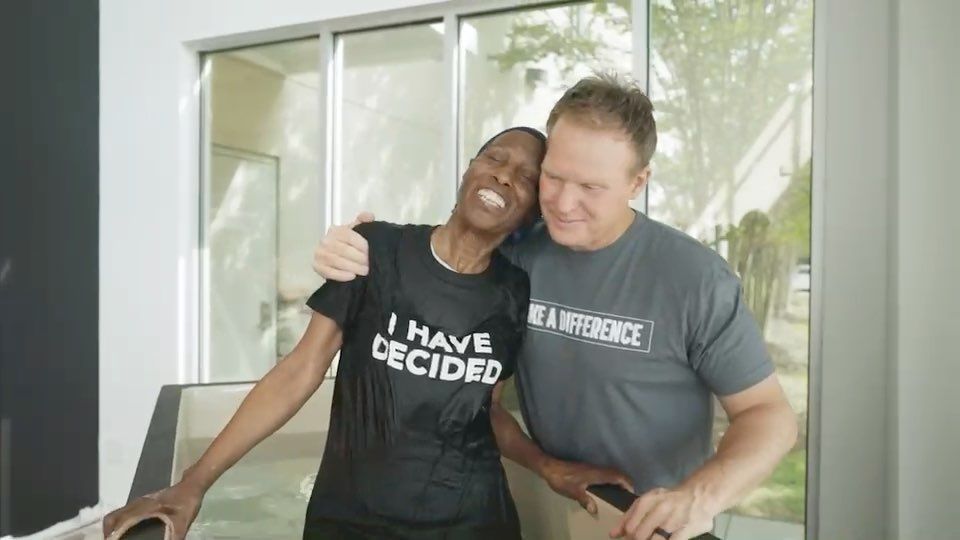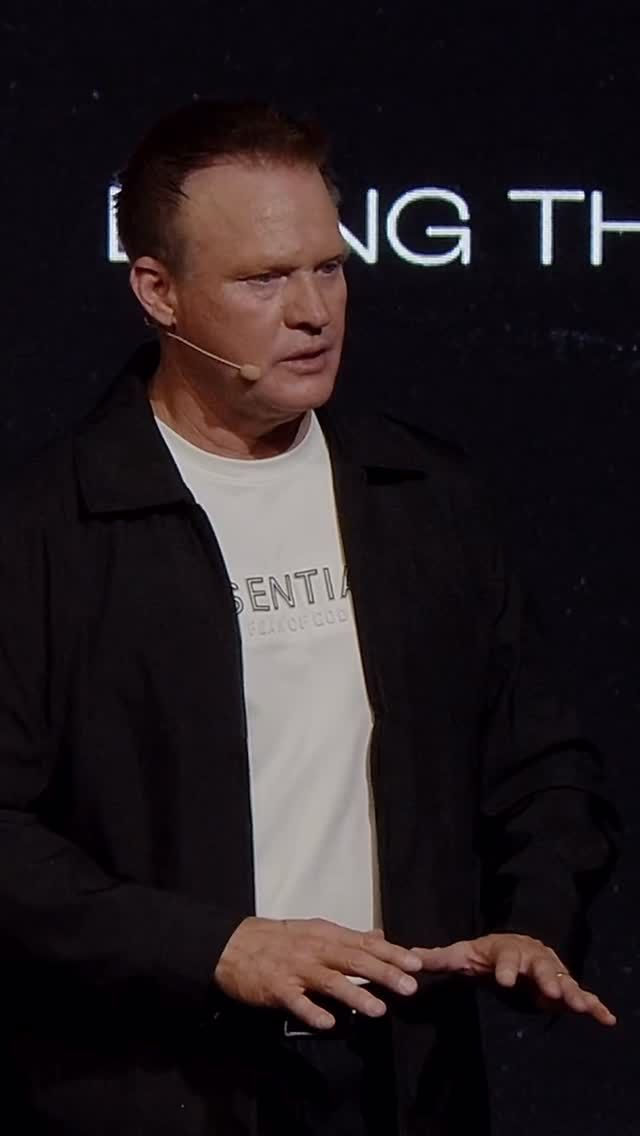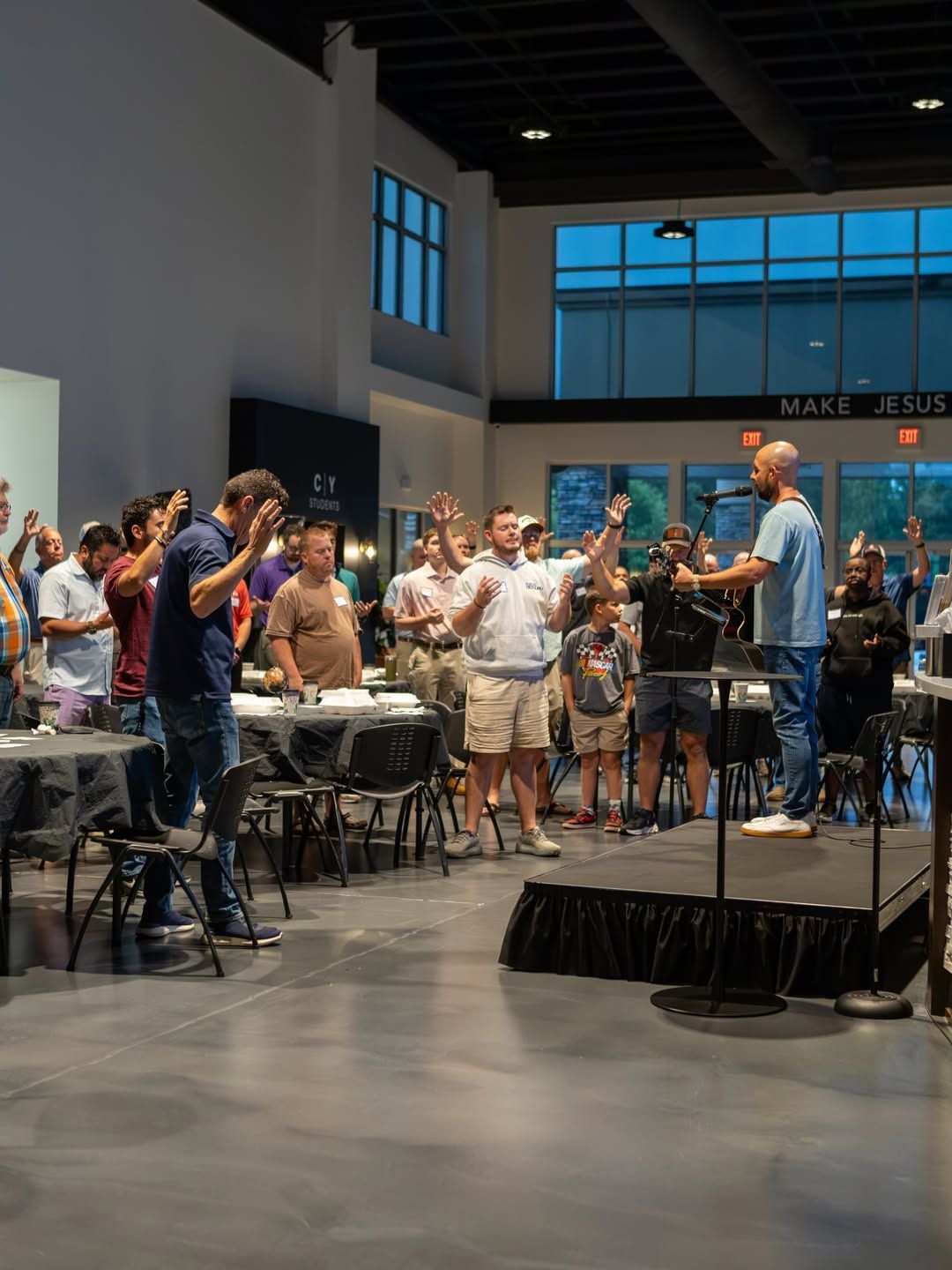

Spring has a way of exposing what is alive in us and what is just routine. Many people want a faith that feels real, but they are not sure what to do with the parts of life they still hold tightly—fear, control, shame, or unfinished obedience. In Pastor Scott Sheppard’s Palm Sunday message, the moment that landed hardest was his simple line: “Palm Sunday is about wholehearted surrender.” If you are new to church, returning after a long time, or trying to make sense of worship and faith, surrender can sound vague or intimidating. But in this sermon, surrender is not about losing your personality—it is about placing every part of your life under Jesus’ leadership. If you want to go deeper on the “one more” heart behind sharing faith, see Embracing the Great Commission: One More! Challenge.
At a Glance: What Wholehearted Surrender Looks Like
- It is a response to who Jesus is , not a performance you have to be coached into.
- It starts with honesty : naming the “unsurrendered” places in your heart.
- It fuels real worship —praise that is not dependent on perfect circumstances.
- It rests on God’s faithfulness : “I don’t just make promises. I keep appointments.”
- It naturally leads to sharing faith , because you don’t hide what changed your direction.
Why Palm Sunday Points to Wholehearted Surrender
The highlight moment in Pastor Scott’s message was not a complicated argument—it was a picture. He asked us to imagine a championship crowd: nobody has to coach that praise. Then he turned the question toward Jesus: “What would you do if the King of Kings…showed up in this room today?” His point was clear: when something truly worthy of celebration is in front of you, joy does not need instructions.
Palm Sunday, as he emphasized, was not an organized event with a program and a script. People responded because they believed Jesus was worth it. That response is a doorway into wholehearted surrender: not part-time devotion, not a carefully managed faith, but a life that says, “This man’s worthy of everything I have.”
Scripture in the sermon reinforces this posture. In Matthew 21:9, the crowd cries out, “Blessed is those who come in the name of the Lord.” That praise is public, unashamed, and directed. And when you connect it to John 3:16—God’s love expressed through giving His Son—surrender becomes less about pressure and more about trust.

The Hidden Impact of Holding Anything Back
Pastor Scott challenged us to “identify and surrender any unsurrendered areas of their hearts.” That is where the real stakes live. When surrender stays theoretical, worship can become mood-based—high when life is easy, muted when life is heavy. But surrender anchored in God’s character makes room for praise even in strain, because you are praising who God is, not just what He did last week.
There is also a relational cost when we hold back. If we only offer Jesus the parts of life we can manage, we quietly keep ourselves in the center. Over time, that can shrink your spiritual life into self-protection. Wholehearted surrender, by contrast, opens your hands: your time, your habits, your relationships, your future plans.
And it affects sharing faith. When your faith is mostly private and controlled, you will tend to keep it to yourself. But when you are surrendering in real time, sharing faith becomes more natural—less like a sales pitch and more like telling the truth about the One you trust.
Common Missteps When You Try to Surrender (Checklist)
- Waiting to feel “worthy” first — Pastor Scott reminded us Jesus came to save imperfect people.
- Confusing loud emotion with true worship — Praise can be expressive, but surrender is deeper than volume.
- Surrendering one area and protecting another — Partial obedience often hides behind “I’m doing pretty good.”
- Thinking surrender means passivity — Trusting God does not mean avoiding wise next steps.
- Keeping your faith silent — If Jesus is worthy, sharing faith is a fitting overflow, not an awkward add-on.
A Simple Action Plan for Wholehearted Surrender (Checklist)
- Start with one honest sentence in prayer : “Jesus, here is what I’m still controlling.”
- Name one specific area (money, relationships, habits, forgiveness, anxiety) and write it down.
- Attach surrender to God’s faithfulness : remind yourself, “He keeps appointments,” even when you feel uncertain.
- Practice praise on purpose : thank God for His character, not only for outcomes you can see.
- Take one outward step of sharing faith : check on a friend, offer prayer, or simply share what God is teaching you.
What Most People Miss About “You Can’t Keep My Joy Quiet”
In practice, we often see that people try to start with bigger emotions, when the deeper issue is smaller surrender. Pastor Scott’s line—“If he shows up, you can’t keep my joy quiet”—is not a demand to manufacture hype. It is an invitation to remove the barriers that mute worship: the unsaid confession, the unresolved bitterness, the private fear, the corner of life still labeled “mine.” When those places are surrendered, worship becomes more honest—and sharing faith becomes more believable.

When You Should Ask Someone to Walk With You
Surrender is personal, but it is not meant to be isolating. Consider reaching out for support when:
- You feel stuck in a repeating pattern and cannot identify what you are holding back.
- Your anxiety or shame spikes whenever you try to pray honestly.
- You want to follow Jesus but do not know what next steps look like in daily life.
- You want to grow in sharing faith but fear, past experiences, or uncertainty keeps you silent.
Common Questions Answered
Is surrender the same thing as giving up?
No. In the sermon’s framing, surrender is placing your life under Jesus’ leadership because He is worthy. It is trust, not resignation.
What if I only know how to start small?
Start with one specific “unsurrendered” area and bring it to Jesus honestly. Small, sincere steps can be real steps.
Does worship have to look a certain way?
Pastor Scott’s point was that real praise does not need to be coached. Worship can be expressive or quiet, but it should be sincere and centered on Jesus.
How does God’s faithfulness connect to my daily life?
The sermon highlighted God’s consistency—Hebrews 13:1 was referenced to emphasize that God does not change. That steadiness is a reason you can trust Him with what you cannot control.
How can I grow more confident in talking about Jesus?
Begin by sharing faith in simple ways: tell a friend what you are learning, offer to pray, or invite a conversation. Confidence often grows with practice and sincerity.
Taking the Next Step After Palm Sunday
Palm Sunday reminds us that Jesus is not looking for polished people—He came for lost souls, and He is worthy of more than a surface response. Wholehearted surrender is not a one-time moment; it is a daily decision to open every part of life to Jesus. As you practice praise rooted in God’s character and take small steps of sharing faith, you may find your worship becoming more honest and your trust more steady.
Reflection questions: What is one area you have not fully surrendered to Jesus? If Jesus “showed up” in that area, what would change about your response?
Learn More About Our Services
Discover how we can help you achieve your goals.
Get Connected