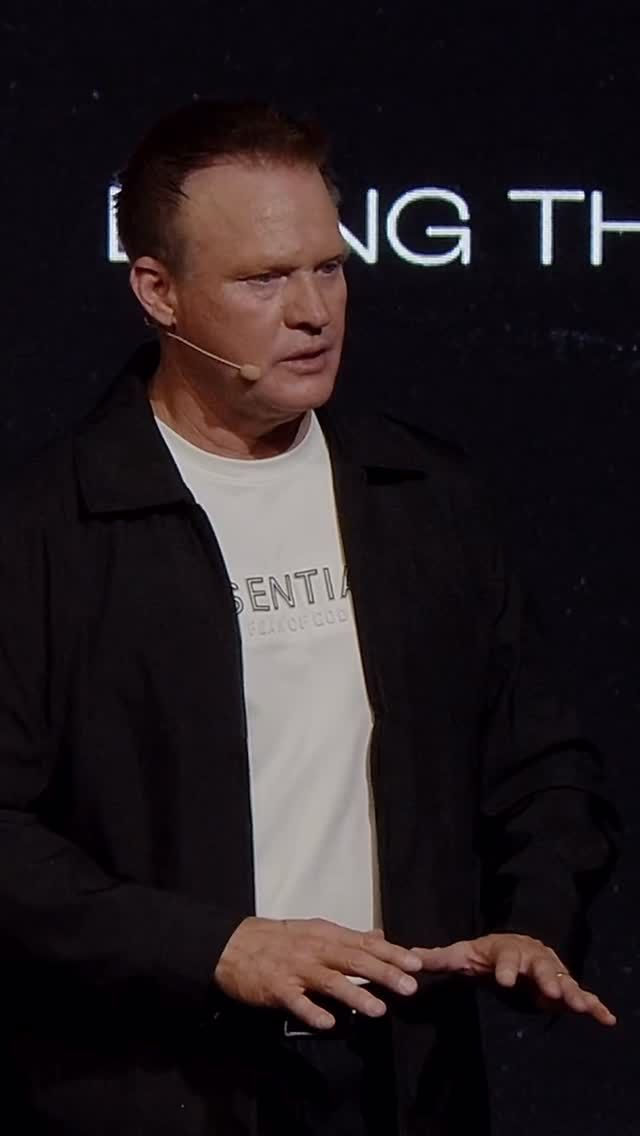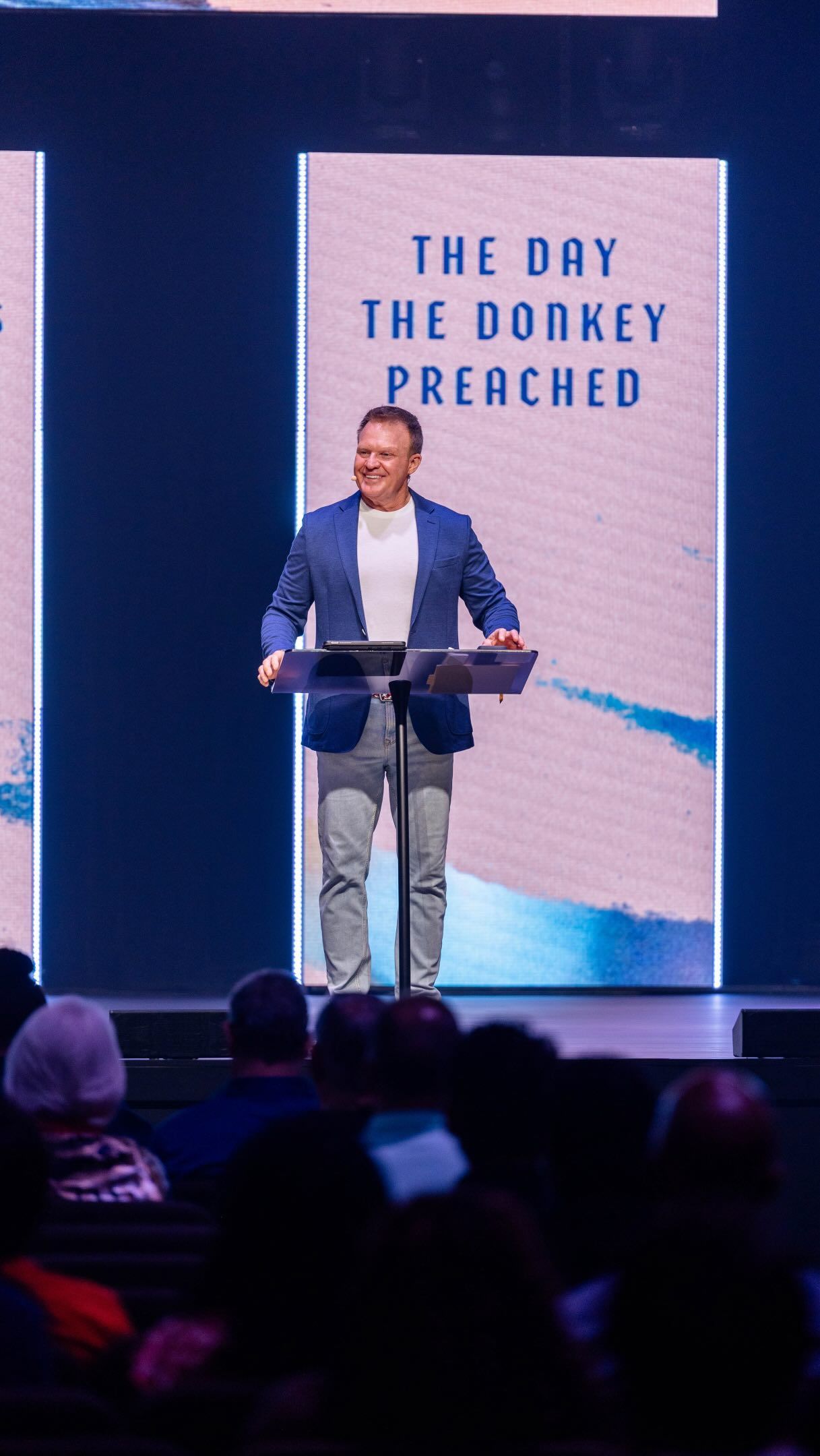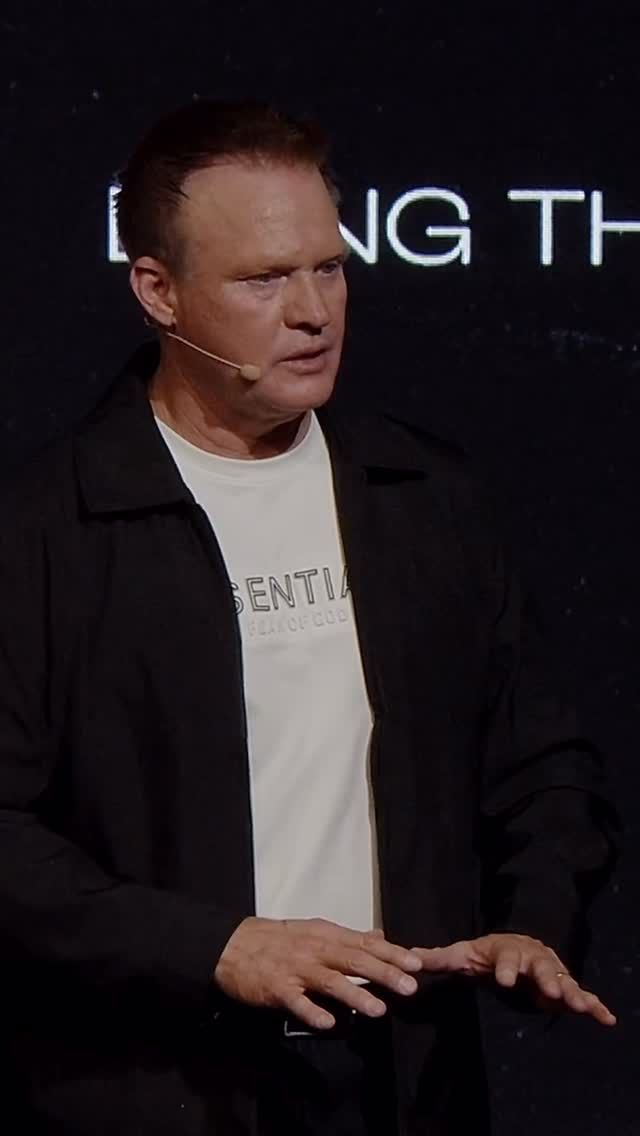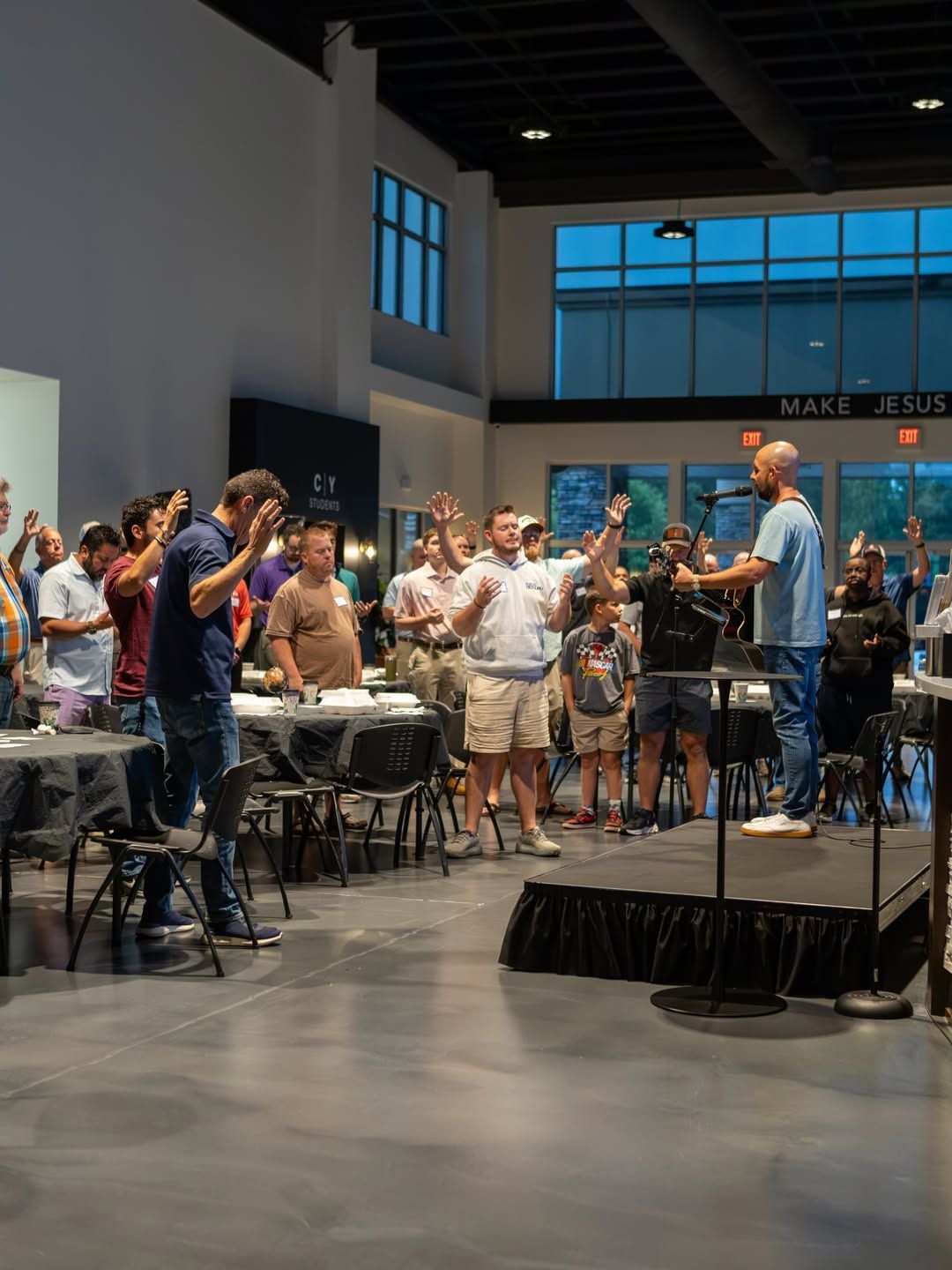

Leadership often feels like something “other people” are born with—especially when the need is big and your resources feel small. If you’ve ever wondered whether you really have leadership potential , Nehemiah’s story is a steady, practical place to start. In seasons of renewal, it can be easier to notice what’s broken and harder to believe you can help rebuild it. Pastor Steve Stringham pointed us to a different path: notice the need, pray first, then move with wisdom. And while this message isn’t about guaranteed outcomes, it does invite you into faithful action—one step at a time—while embracing living water as a picture of the kind of inner renewal God can bring (see John 4:10–14).
One line landed with special weight: “How can God use me to accomplish his purpose?” If you’ve been encouraged by related teaching like You Come Too Far to Lose - A Reminder of Hope, this question is a natural next step—because it moves hope from something you feel into something you practice.
Bottom Line Upfront: Nehemiah’s Leadership Moment
- Leadership potential often starts with awareness : Nehemiah asked questions and faced reality (Nehemiah 1:2).
- He didn’t rush into action—he prayed up the process before making moves.
- He made a clear, practical plan and asked for what was needed (Nehemiah 2:5–8).
- He inspected the situation personally before making a public push (Nehemiah 2:11–16).
- He invited others into the work: “Come, let us rebuild…” (Nehemiah 2:17–18).
- This kind of leadership is less about status and more about faithful responsibility.
Why Nehemiah’s Story Reveals Your Leadership Potential
Nehemiah wasn’t introduced as a celebrity, a warrior, or a public speaker. He was someone who cared enough to ask, “What’s really happening?” (Nehemiah 1:2). Pastor Steve highlighted how leadership begins when you let a real burden become a real prayer—without pretending it’s fine or assuming someone else will handle it.
Then comes the moment many people miss: Nehemiah’s leadership wasn’t impulsive. It was intentional. Pastor Steve put it plainly: “Before moving ahead always pray up the process.” In beginner terms, that means you talk to God before you talk yourself into panic, before you post the rant, before you make the pitch, before you quit. Prayer doesn’t replace planning—it shapes it.
And when the opportunity came, Nehemiah didn’t speak in vague wishes. He made specific requests (Nehemiah 2:5–8). Pastor Steve’s line fits here: “Sometimes God just simply says, ‘What do you need?’” That question forces clarity—about the goal, the timeline, and the help required.

The Real-Life Cost of Ignoring a God-Given Burden
When you ignore a burden God keeps bringing to mind, the cost is often quiet but real. It can look like ongoing stress, drifting relationships, or a constant sense that something is “off” but never addressed. Nehemiah shows a different path: let the need move you toward prayer, then toward wise action.
There’s also a community impact. Isaiah’s promise includes rebuilding and restoring what’s broken (Isaiah 58:10). That doesn’t mean you can fix everything, and it doesn’t guarantee outcomes. But it does mean your leadership potential may be connected to strengthening what’s hurting—your home, your friendships, your work environment, or your personal integrity.
Common Missteps That Shrink Leadership Potential (Checklist)
- Waiting to “feel ready” — Nehemiah started with questions and prayer, not confidence.
- Skipping prayer and calling it maturity — Pastor Steve’s warning is simple: pray first, then proceed.
- Confusing a burden with a complaint — a burden moves you toward responsibility; complaining stops at frustration.
- Going public too fast — Nehemiah inspected the walls quietly before rallying others (Nehemiah 2:11–16).
- Trying to do it alone — rebuilding required “let us,” not “watch me” (Nehemiah 2:17–18).
A Simple Action Plan to Grow Your Leadership Potential This Week (Checklist)
- Ask one honest question : “What’s broken that I keep noticing?” (Nehemiah 1:2 pattern).
- Pray before you plan : tell God what you see, what you feel, and what you’re afraid of.
- Write one clear next step : a conversation, an apology, a boundary, a serving opportunity, or a request for help.
- Get specific about what you need : time, wisdom, support, resources—name it (Nehemiah 2:5–8).
- Invite one person in : not to dump the responsibility, but to build teamwork and accountability.

A Word from Experience: The Turning Point Most People Miss
In practice, we often see that people step into their leadership potential when they stop treating prayer as a last resort and start treating it as the first move. Not because prayer makes life easy, but because it makes your next step clearer—and often calmer—than reacting on emotion alone.
When It’s Time to Ask for Help Instead of Pushing Alone
Nehemiah didn’t rebuild the wall as a solo project, and you don’t have to carry your burden alone either. Consider getting help when:
- You feel stuck in constant overwhelm and can’t identify a next step.
- Conflict keeps repeating in your home or relationships and private efforts aren’t changing anything.
- Your “plan” is only anxiety —you’re spinning, not progressing.
- You need wise counsel to make a decision with real consequences.
Your Questions, Answered About Nehemiah-Style Leadership
Do I need a title or position to lead like Nehemiah?
No. Nehemiah’s influence flowed from awareness, prayer, and responsibility—not a platform. Leadership can start in everyday places: conversations, decisions, and serving others well.
What if I’m not sure the burden I feel is from God?
Start where Nehemiah started: ask questions, pray honestly, and look for clarity over time. Wise counsel from mature believers can also help you sort what you’re sensing.
How do prayer and planning fit together?
In Nehemiah 2:5–8, prayerful dependence and practical requests show up side by side. Prayer shapes your motives and courage; planning helps you act with wisdom.
What if I’m afraid to ask for what I need?
Pastor Steve’s reminder is helpful: “Sometimes God just simply says, ‘What do you need?’” Naming your needs can be a step of humility, not weakness.
How can I keep going when rebuilding feels slow?
Return to the “why”: restoring what’s broken matters (Isaiah 58:10). Small, faithful steps—done consistently—often carry more weight than dramatic moments.
Taking Action: One Question to Carry With You
Nehemiah’s highlight moment wasn’t a speech—it was a decision to let a burden turn into prayer, and prayer turn into a plan. If you’ve been questioning your leadership potential , start with what Pastor Steve asked: “How can God use me to accomplish his purpose?” You don’t have to have all the answers to take one faithful step. Bring what you see to God, ask what you need, and invite others into the rebuilding.
Reflection questions: What need have you been noticing that you’ve tried to ignore? What is one specific next step you can pray through and take this week?
Learn More About Our Services
Discover how we can help you achieve your goals.