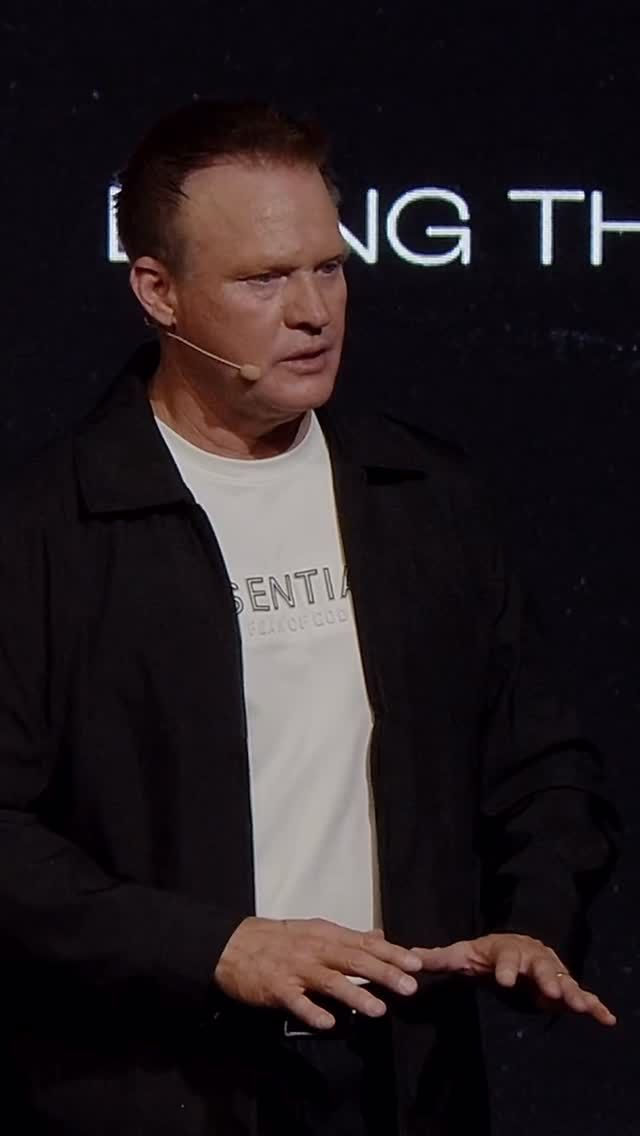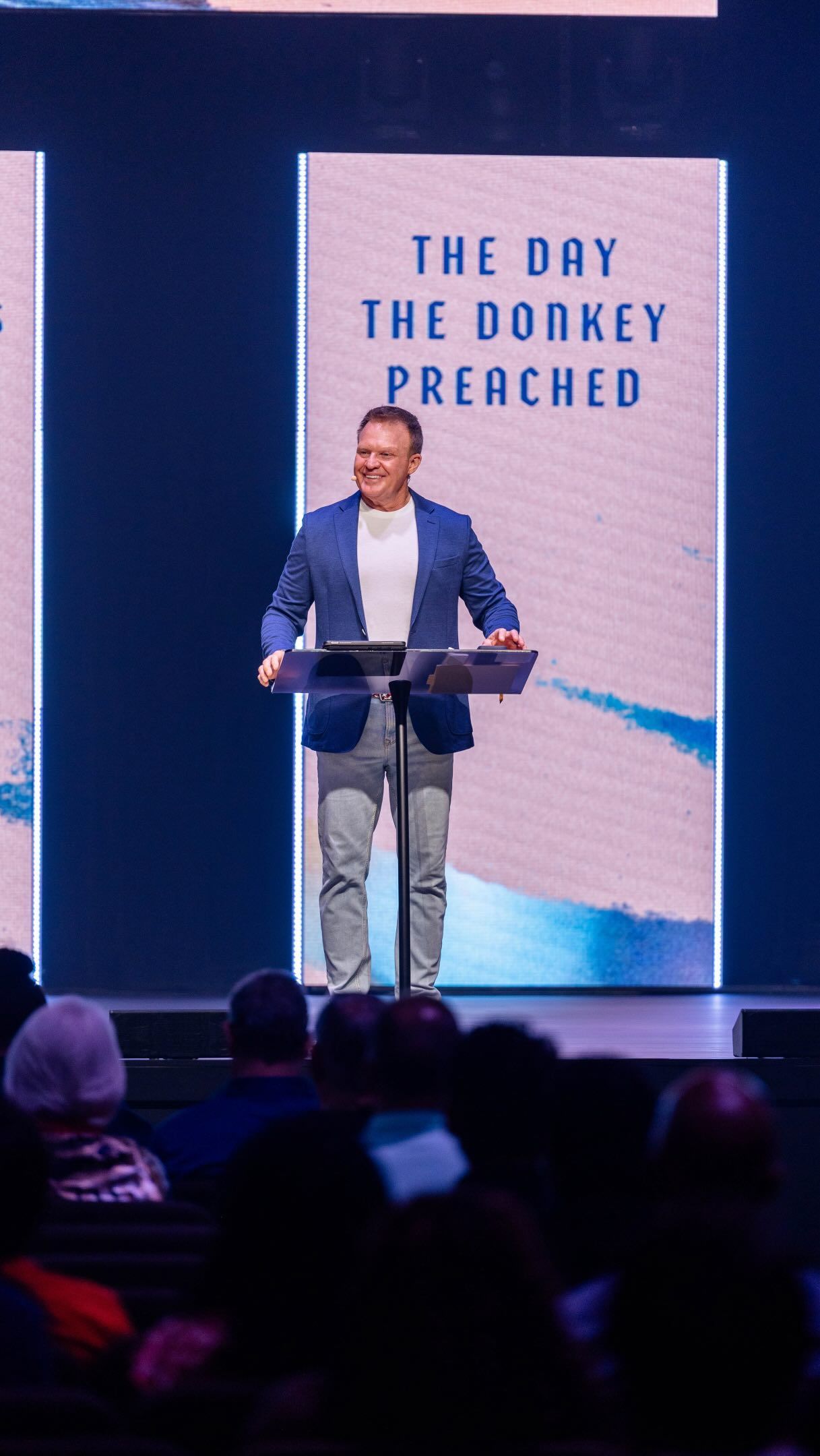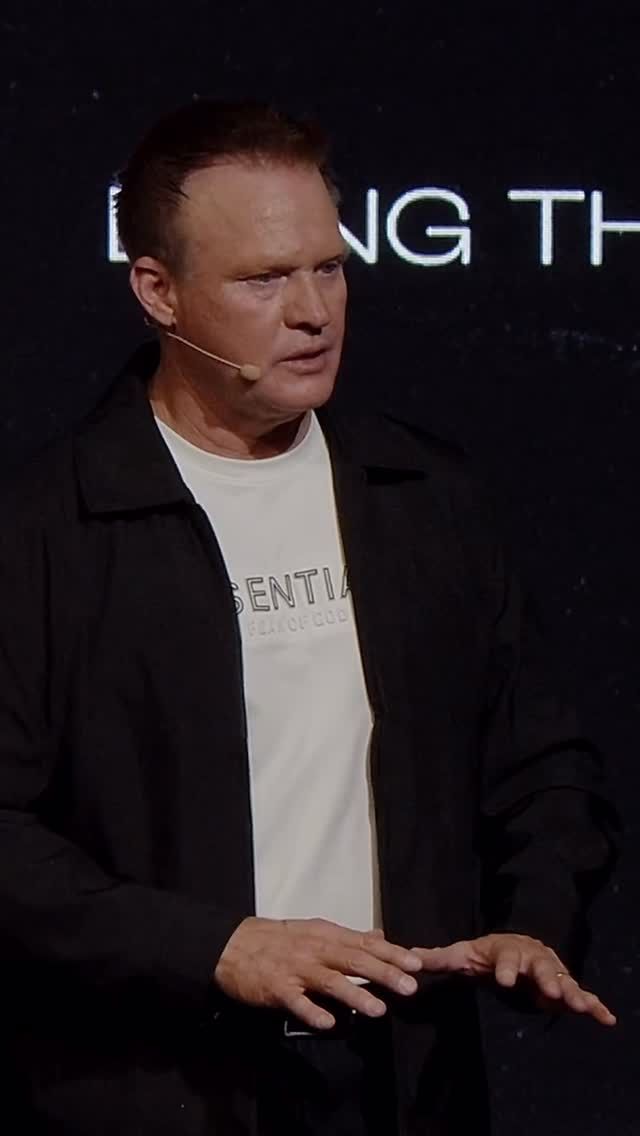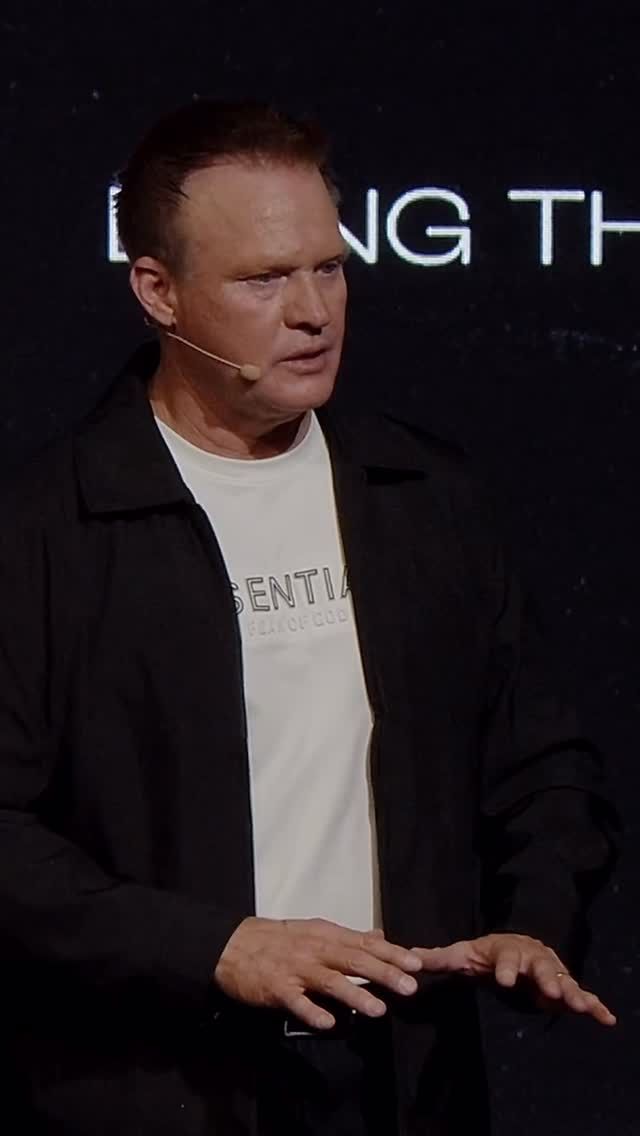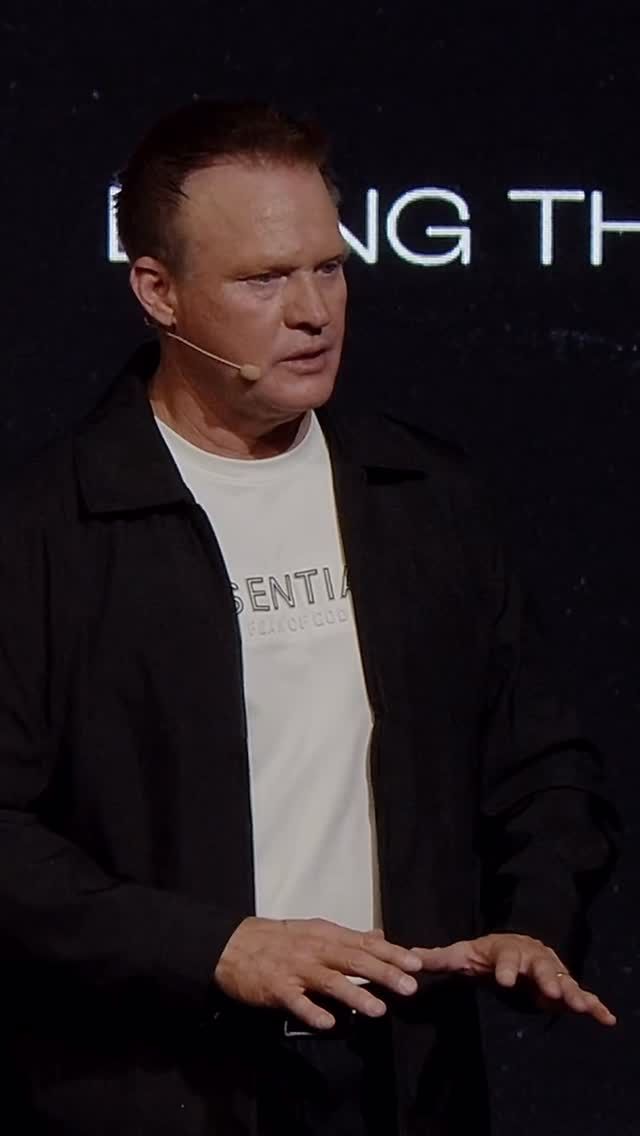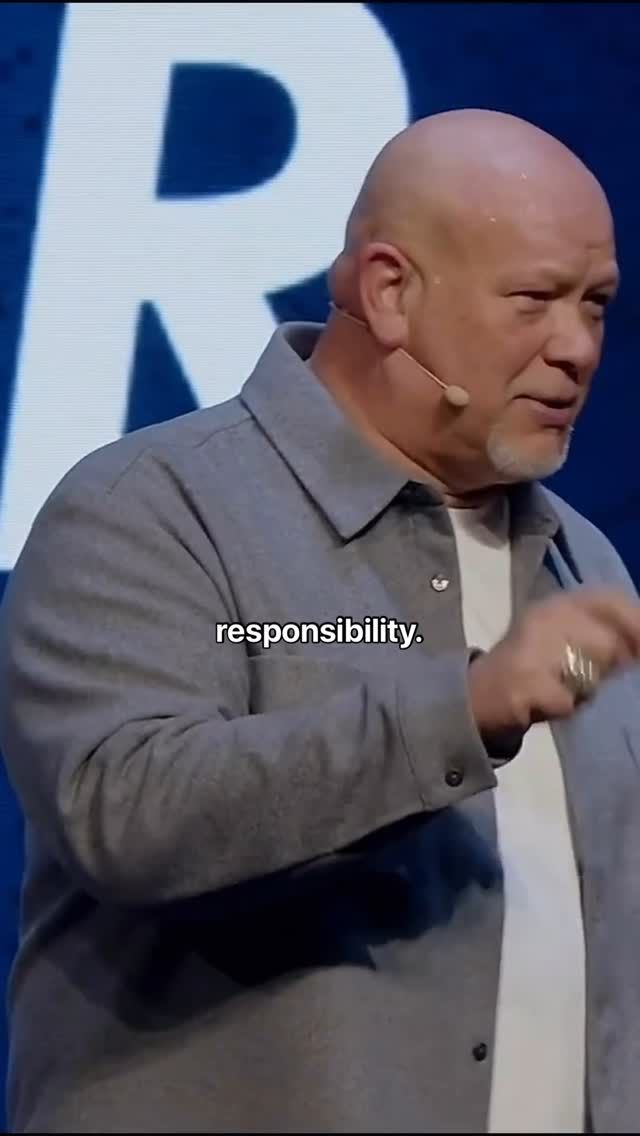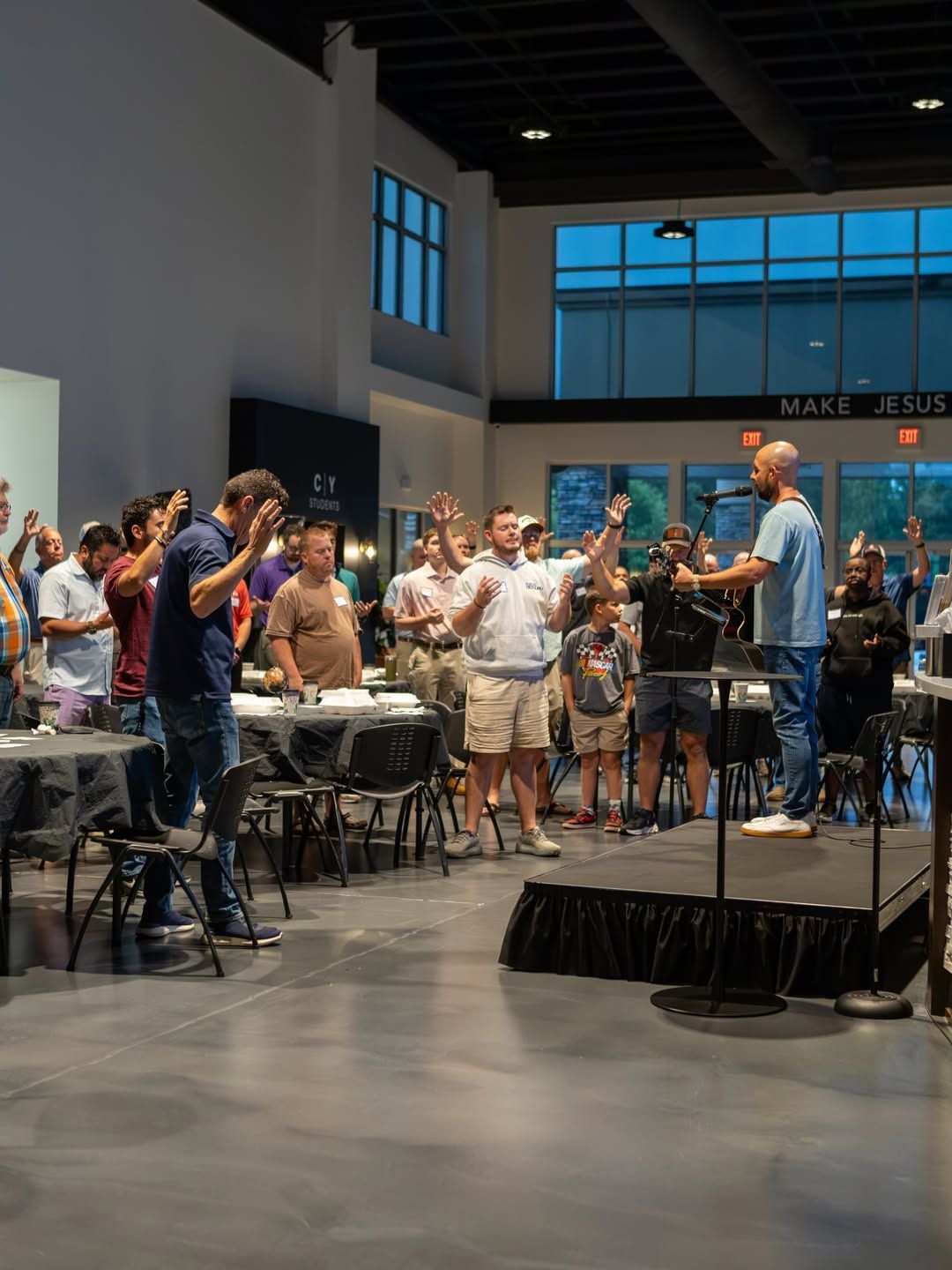

Sharing faith can feel intimidating, especially if you have been told (directly or indirectly) that discipleship is mostly a private journey between you and God. But Pastor Scott Sheppard reminded us in “One More! – Join the Mission (Part 1)” that following Jesus is not only about where you are going someday; it is also about what you are here for now. In seasons of renewal, it is worth asking: if Jesus saved us and left us on earth, what mission are we meant to join? This guide explores the theological significance of sharing faith as part of making disciples, grounded in the scriptures Pastor Scott referenced and the heart behind his challenge. We will also touch on embracing living water as a picture of what Jesus offers and what we invite others to receive.
For a companion teaching that expands the “One More” challenge and the Great Commission focus, see Embracing the Great Commission: One More! Challenge.
The Essentials: What to Know First
- Sharing faith is not an optional add-on ; it is woven into Jesus’ command to “go … and make disciples” (Matthew 28:19).
- Discipleship goes beyond conversion ; the Great Commission is fulfilled as believers walk alongside new believers into a growing life with Jesus.
- God’s mission is personal : you may not be called to go far away, but you can love and witness “across the street,” as Pastor Scott said.
- Evangelism begins with compassion ; “sharing the gospel always starts with caring,” which changes the tone of our conversations.
- Jesus models bridge-building in John 4 by initiating a respectful conversation that opens a door to spiritual truth.
- The “one more” heart matters ; Luke 15:4–7 shows God’s pursuit of the one who is missing, not indifference toward them.
How the Great Commission Defines Discipleship (Not Just Decisions)
Pastor Scott put it plainly: “The fulfillment of the Great Commission is when someone gives their lives to Jesus and then other believers come alongside them into this path called discipleship.” That statement is not simply a strategy for church growth; it is a theological claim about what Jesus actually commanded.
In Matthew 28:19, Jesus does not say, “Go and make converts.” He says, “Go therefore and make disciples of all nations …” (Matthew 28:19). A disciple is a learner and follower—someone being formed over time. That means sharing faith is not merely about a moment of persuasion; it is about participating in a process of spiritual formation that Jesus initiated and the church continues.
This is why Pastor Scott warned against treating the Great Commission like “the great suggestion” or “the great omission.” If Jesus’ final command is to make disciples, then sharing faith is not a personality-based assignment for extroverts or “super spiritual” people. It is part of Christian identity and obedience—done with humility, love, and patience.
Notice the order implied in the sermon’s emphasis: people come to Jesus, and then believers walk with them. That “walking with” is where discipleship becomes real: Scripture, prayer, community, repentance, encouragement, and learning to obey Jesus in everyday life. Sharing faith is the doorway, but discipleship is the home you help someone build.

Why God Leaves Believers on Earth: Mission as Identity
One of Pastor Scott’s most direct lines was: “If all you were saved for is heaven, you wouldn’t still be on earth.” That is a mission-shaped view of salvation. It does not deny heaven; it insists that salvation also has purpose now.
Theologically, this connects to the idea that God saves people into a calling. You are rescued, forgiven, and adopted by God, and then sent as a witness to His love. Sharing faith is not a side task you do after you “get your life together.” It is one of the ways God forms you into a disciple who lives outward, not inward.
When Christians reduce salvation to “my private afterlife destination,” discipleship shrinks. But when salvation is understood as entrance into God’s mission, discipleship expands: your relationships, your words, your compassion, and your courage become part of how God reaches “one more.”
This is also where Pastor Scott’s lighthouse imagery speaks with theological clarity: “This is not a clubhouse. This is a lighthouse.” A clubhouse exists for members; a lighthouse exists for those in danger. A church shaped by Jesus becomes a people who live with open hands, open doors, and open mouths—sharing faith with care rather than pressure.
The Hidden Impact of Silence: What’s at Stake If We Don’t Share
Pastor Scott highlighted that “sharing the gospel always starts with caring.” That means the stakes are not just theological in the abstract; they are relational and human. When believers stay silent out of fear, shame, or apathy, real people miss out on hearing hope.
Luke 15:4–7 (the parable of the lost sheep) gives us Jesus’ picture of God’s heart. The shepherd leaves the ninety-nine to go after the one who is lost. The point is not that the ninety-nine are disposable; the point is that the one matters. If God pursues the one, discipleship cannot be content to ignore the one. Sharing faith becomes a way of aligning our priorities with God’s priorities.
There is also a cost to the believer. When you never share what God has done in your life, your faith can quietly become self-focused. But when you step into mission, your discipleship strengthens. You begin to depend on God for courage, wisdom, and love. You also learn to listen better—because caring requires listening before speaking.
Finally, there is a cost to the community. A church that stops sharing faith eventually forgets why it exists. The lighthouse becomes a clubhouse. The mission becomes maintenance. Pastor Scott’s “one more” challenge is a call back to purpose.

Common Missteps That Undercut Sharing Faith (Checklist)
- Stopping at a decision instead of discipleship. Celebrating conversion matters, but Jesus commanded disciple-making (Matthew 28:19), which includes follow-through and support.
- Leading with arguments instead of care. If “sharing the gospel always starts with caring,” then cold debates can close doors that compassion could open.
- Waiting to feel “ready” before speaking. Growth often happens in obedience; you can start with what you know and keep learning as you go.
- Turning conversations into projects. People can sense when they are being treated like a checkbox. Love treats people as people, not outcomes.
- Forgetting that bridge-building matters. Jesus begins with a human request in John 4:7 (“Will you give me a drink?”) before moving to spiritual truth.
- Confusing pressure with boldness. Courage is not forcefulness; it is faithful, respectful clarity even when you feel nervous.
A Practical Action Plan for Sharing Faith with Care (Checklist)
- Pray for “one more” person by name. Ask God for an open door and a soft heart—yours and theirs.
- Start with a bridge, not a sermon. Follow Jesus’ pattern in John 4:7 by beginning with a genuine question, a need, or a shared moment.
- Tell your story simply. Share what Jesus has done in your life without exaggeration; honesty builds trust.
- Offer hope rooted in Scripture. John 3:16 centers the gospel in God’s love and His giving; keep the focus there.
- Invite, don’t corner. You can ask, “Would you be open to talking more about this?” and respect the answer.
- Be ready to walk alongside. If someone responds, think in terms of next steps: conversation, prayer, Scripture, and ongoing encouragement.
- Point to Jesus as the source. In John 4:10–14, Jesus describes “living water”; keep the spotlight on Him, not on your performance.
A Word from Experience: What Most People Miss About Disciple-Making
In practice, we often see that people become more confident in sharing faith when they stop treating it like a scripted presentation and start treating it like a relationship. When care comes first, conversations tend to become more natural, and “one more” starts to look less like a campaign and more like a lifestyle shaped by Jesus.
When You Should Ask for Help (and Not Do This Alone)
Sharing faith is part of discipleship, but you do not have to carry it by yourself. Consider reaching out for pastoral guidance or trusted Christian support if:
- You feel paralyzed by fear or shame whenever spiritual conversations come up.
- You recently began following Jesus and want help understanding the gospel clearly (John 3:16 is a good starting point).
- A friend asks difficult questions and you are unsure how to respond with both truth and gentleness.
- You are walking with someone in crisis and need wisdom on how to care well without overstepping your role.
- You want to disciple someone but do not know what “walking alongside” should look like in daily life.
Frequently Asked Questions
Is it enough to just live a good life without talking about Jesus?
A consistent life matters, but Jesus’ command in Matthew 28:19 is verbal and relational: “go … and make disciples.” Many people will not understand the hope you carry unless you explain it with care.
What if I do not know much Bible yet?
You can start by sharing what you do know: what Jesus has done in your life and what the gospel says in clear passages like John 3:16. Growth in Scripture is part of discipleship, not a prerequisite for caring conversations.
How did Jesus start spiritual conversations without being pushy?
In John 4:7, Jesus begins with a respectful request (“Will you give me a drink?”). He builds a bridge, honors the person in front of Him, and then guides the conversation toward deeper spiritual truth.
What does “living water” mean in John 4?
In John 4:10–14, Jesus describes a kind of life and satisfaction that comes from Him, not from temporary sources. In discipleship, that image helps us remember we are inviting people to Jesus Himself, not merely to religious activity.
What if someone rejects the conversation?
Rejection does not mean failure. Luke 15:4–7 shows God’s pursuing heart; your role is to care, be faithful, and keep your posture loving. You can remain present in the relationship and continue to pray.
Moving Forward
Pastor Scott’s call to “join the mission” is a reminder that discipleship is not passive. Jesus sends His people to make disciples (Matthew 28:19), to care first, and to pursue “one more” with a shepherd’s heart (Luke 15:4–7). Sharing faith is not about winning arguments; it is about loving people enough to speak hope and then walking with them over time. Ask God to show you one person, one conversation, and one next step where you can be faithful.
Learn More About Our Services
Discover how we can help you achieve your goals.