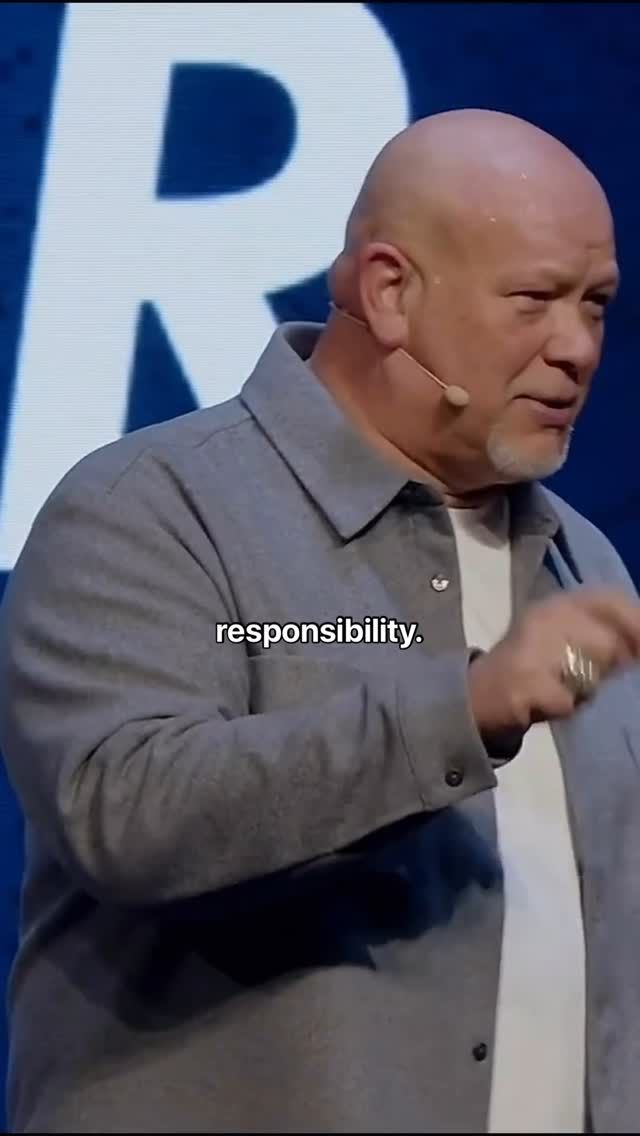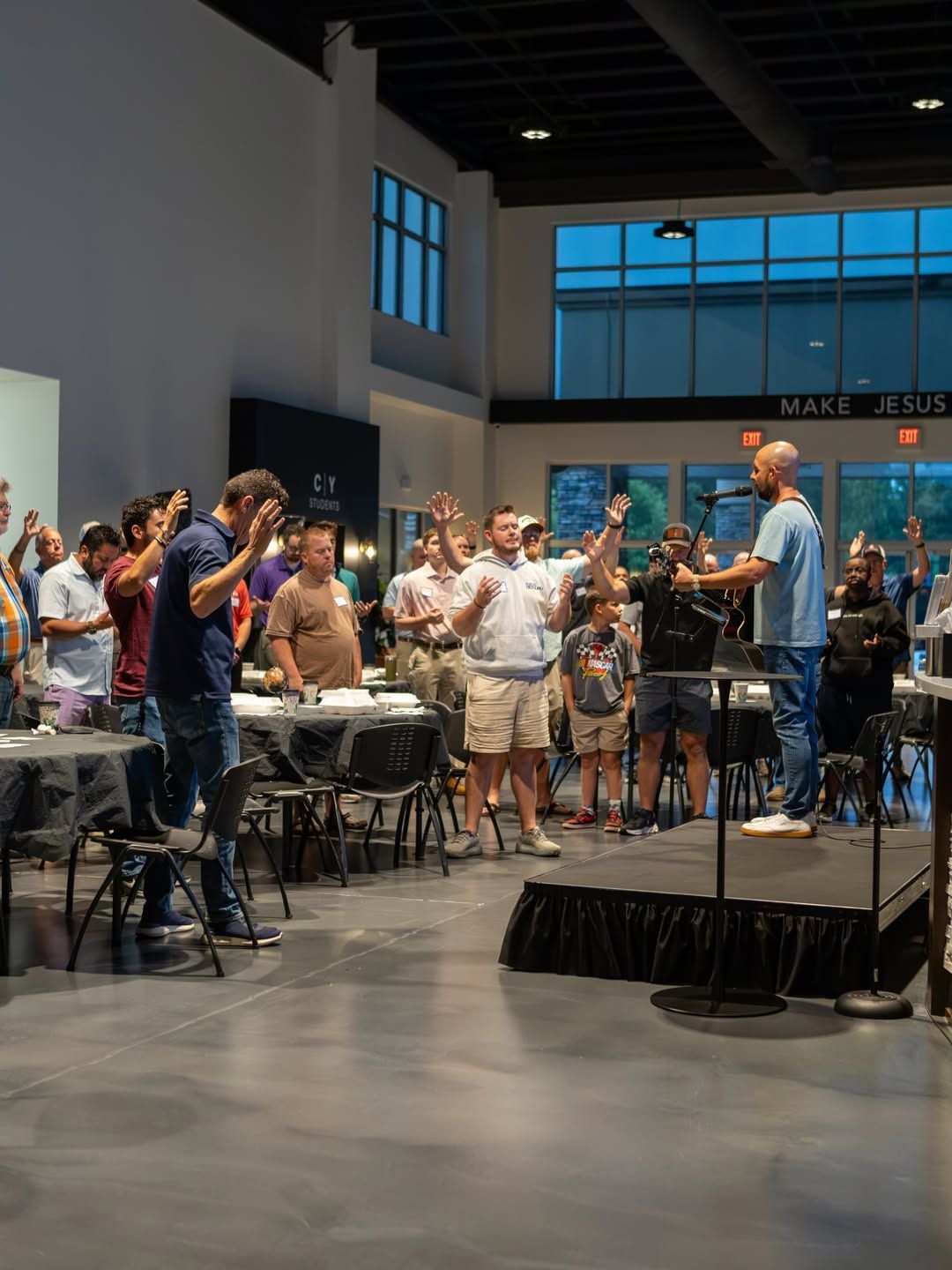

Inviting others can feel simple in theory and complicated in real life—especially when you are heading into a normal week of work stress, family schedules, and the same routines. If you want to share your faith without being pushy or awkward, Pastor Scott’s reminder matters: “You’re still here for a reason.” As spring brings a sense of fresh start, it is a good time to practice small steps of courage, including embracing living water as a daily dependence on Jesus rather than a one-time moment.
This post is a practical how-to for anyone who believes they have been “saved and sent,” but needs a plan for what that looks like on Tuesday morning. If you want a deeper foundation for this theme, read The Great Commission: Why Your Mission Matters and then come back to the everyday steps below.
At a Glance: How to Start Inviting Others This Week
- Decide your mission field : identify 2–3 places you already go (work, gym, school, neighborhood) and treat them as “mission territory.”
- Pray for one open door : ask God for one natural conversation where sharing faith fits the moment.
- Lead with your story : use what Jesus has done in your life as a simple, honest bridge—no pressure, no hype.
- Make one clear invitation : invite someone to talk, to pray, or to come with you—one step, not ten steps.
- Trust God with the results : your role is witness (Acts 1:8), not control.
Understanding the “One More” Mindset in Ordinary Moments
Pastor Scott said it plainly: “The Great Commission is not the great recommendation.” In Matthew 28:19, Jesus sends His followers to “go… and make disciples.” That “go” is not mainly about adding something new to your calendar—it is about seeing your existing life differently. Your workplace, your neighborhood, the ball field, the coffee shop, the gym, and the school hallway become places where you can share your faith with real people in real conversations.
He also warned, “A quiet church is a dangerous church,” because silence can become a habit. The goal is not to become louder on social media; it is to become more faithful in person—one conversation, one prayer, one invitation at a time. When you practice inviting others in everyday situations, you are living like an ambassador, not an observer (2 Corinthians 5:20).

The Real-World Cost of Staying Silent
When you avoid sharing faith, the impact is not just spiritual—it is personal and relational, too. Silence can reinforce fear, make you feel stuck, and quietly train you to believe your story does not matter. Pastor Scott’s line cuts through that: “Everybody wants to know that they matter.”
Scripture frames the stakes in a hopeful way. Jesus described heaven’s joy over one person turning back to God (Luke 15:4–7). And Daniel 12:3 points to a lasting weight to faithful witness: “Those who are wise… and those who turn many to righteousness” shine with God’s reflected glory. This is not about chasing a scoreboard; it is about remembering that “Heaven doesn’t see an empty chair; it sees purpose.”
Common Missteps When You Try to Share Your Faith (Checklist)
- Waiting for the perfect moment : if you only speak when everything feels ideal, you will rarely speak at all.
- Making it a debate : arguments usually raise defenses; a personal story often opens a door.
- Talking more than listening : good questions and patient listening build trust and clarity.
- Overloading someone with information : one next step is better than a full sermon in a single conversation.
- Assuming rejection is failure : being a witness (Acts 1:8) is faithfulness; outcomes are not yours to control.
- Hiding your faith to protect comfort : fear is real, but it does not have to be the decision-maker.

Your Everyday Action Plan for Inviting Others (Step-by-Step)
What you will achieve: a simple, repeatable approach to inviting others and sharing faith naturally in your normal week.
Prerequisites: (1) a willingness to be available, (2) one person to pray for, and (3) a short version of your story (30–60 seconds).
- Pick your “mission field” for the week.
Tip: Choose places you already go—work, school, the gym, your neighborhood. Pastor Scott said, “Your workplace is your mission field.” Start there. - Pray a specific, simple prayer for an open door.
Tip: Ask for one conversation where you can encourage someone, offer prayer, or share your faith without forcing it. - Notice the “ordinary pain points” people mention.
Tip: Listen for stress, loneliness, family tension, or burnout. These are often the moments when a gentle invitation is most meaningful. - Share one sentence of your story, not a speech.
Tip: Try: “I have been carrying a lot too, and leaning on Jesus has helped me.” This keeps sharing faith personal and honest. - Offer one clear next step.
Tip: Choose one: “Can I pray for you?” or “Want to come with me?” or “Would you like to talk more sometime?” This is inviting others with clarity, not pressure. - Follow up like a real friend.
Tip: A text that says, “I have been thinking about what you shared—how are you doing?” often matters more than a perfect first conversation.
A Word from Experience: Boldness Usually Starts Smaller Than You Think
In practice, we often see that people grow in boldness when they stop aiming for a dramatic moment and start aiming for a faithful one. A short prayer in a hallway, a kind question at work, or a simple invitation over dinner can be the beginning of someone taking a step toward Jesus. That is why “one more” is not a slogan—it is a mindset that keeps you available.
When You Should Ask for Support Instead of Going Solo
Consider reaching out for prayer and guidance if:
- You feel stuck in fear and cannot bring yourself to share your faith at all.
- A friend asks serious spiritual questions and you are not sure how to respond with clarity and kindness.
- You are walking with someone in crisis and need wisdom about how to help without overpromising or overextending.
- You sense God prompting you to invite someone, but you want prayer covering and accountability.
Your Questions, Answered About Everyday Invitations
What if I am worried people will think I am weird?
That fear is common. Start with relationship and sincerity: listen well, share briefly, and offer a simple next step. Boldness can be quiet and respectful.
Do I have to have all the answers before I talk about Jesus?
No. Acts 1:8 emphasizes being a witness—sharing what you have seen and experienced. It is okay to say, “I do not know, but I can look into that with you.”
Is it enough to just invite someone to church?
An invitation can be a meaningful step, especially for someone who is curious or searching. Often, the best approach is both: a genuine relationship and a clear invitation when the door is open.
How do I keep the conversation from turning into an argument?
Focus on your story and ask questions. 2 Corinthians 5:20 frames you as an ambassador, which suggests humility and care—not winning a debate.
What if someone says no?
A no is not the end of the relationship or your purpose. Stay kind, keep showing up as a friend, and continue praying for open doors. Faithfulness does not require immediate results.
Moving Forward
You are still here for a reason, and the places you already go are part of your mission. If you want to practice inviting others, start small: pray, listen, share one sentence of your story, and offer one next step. As you head into the weekend, ask God for one open door and the courage to walk through it—because one invitation can matter more than you think.
Get in Touch
Fill out our quick form and we'll get back to you within 24 hours.
Get Connected