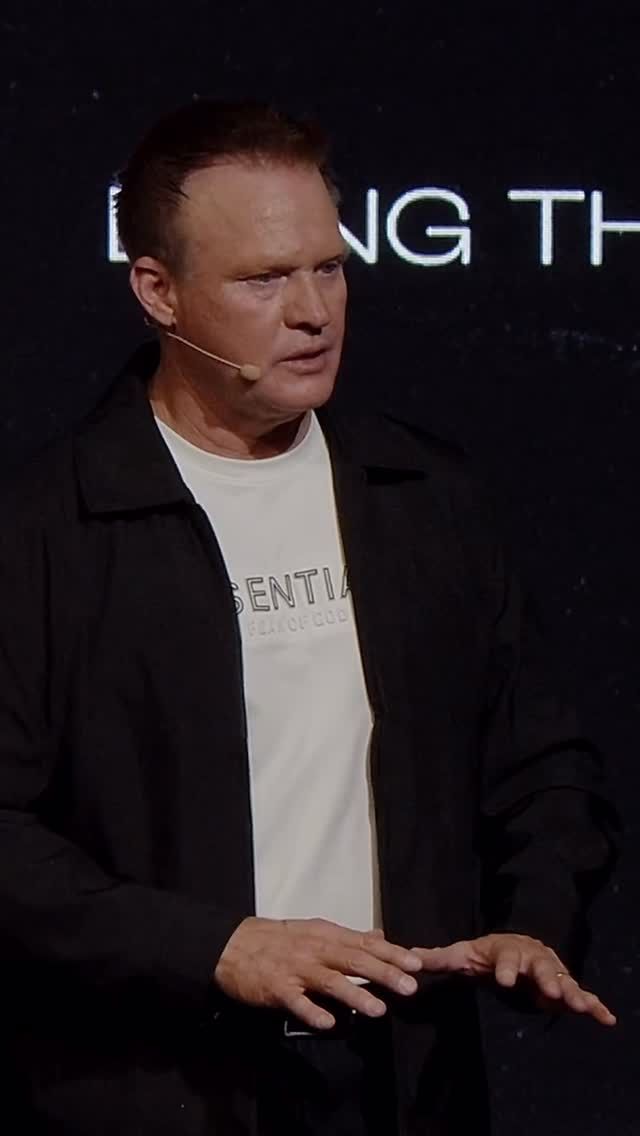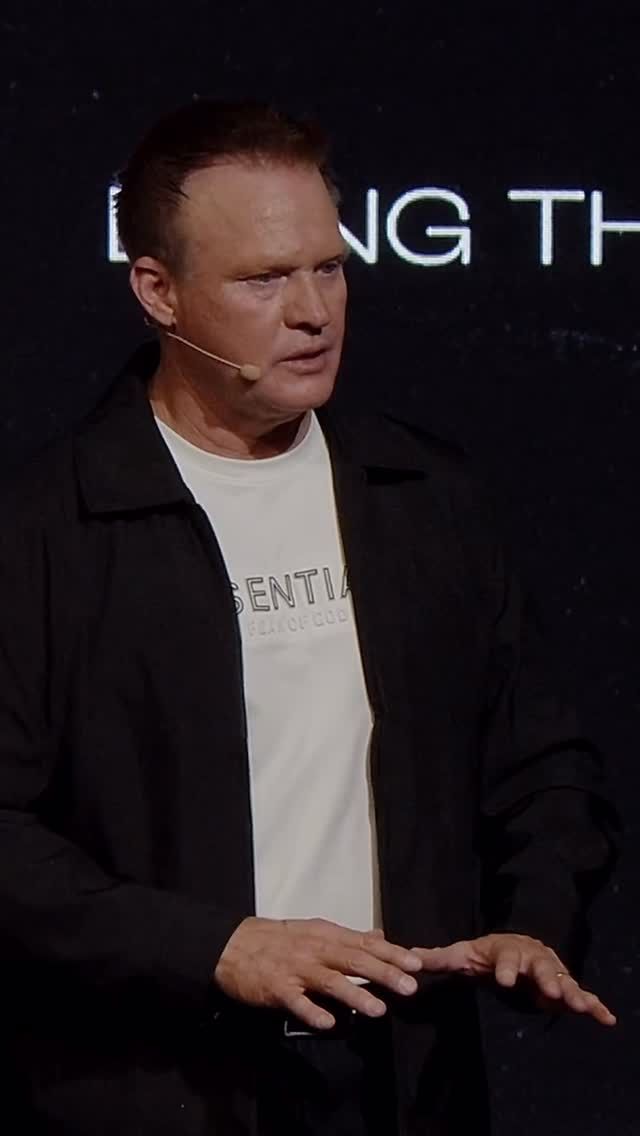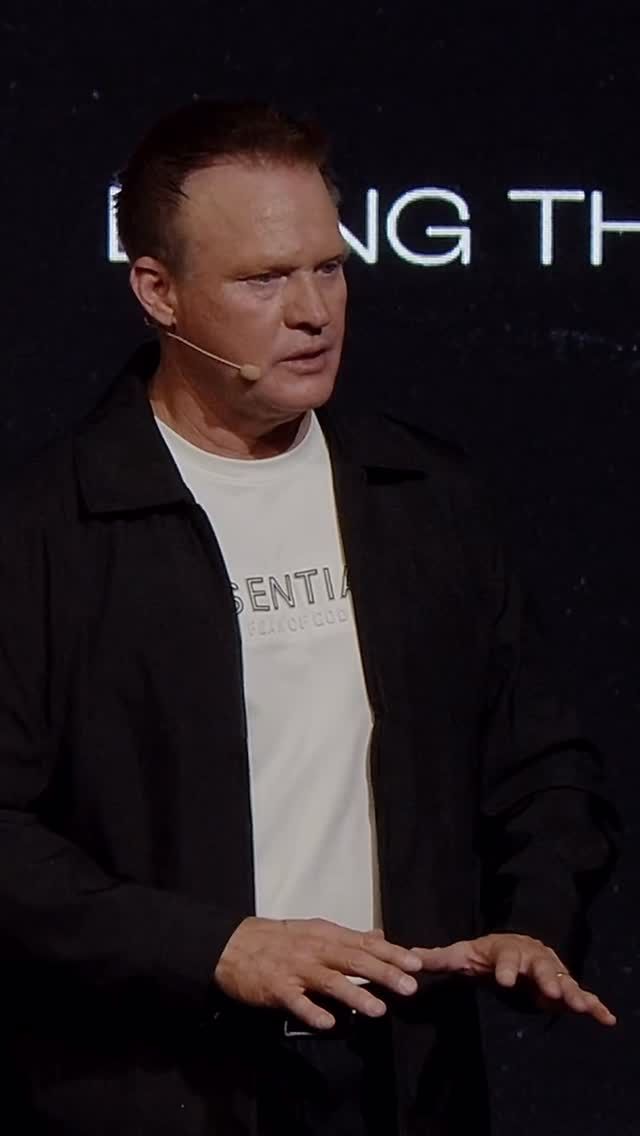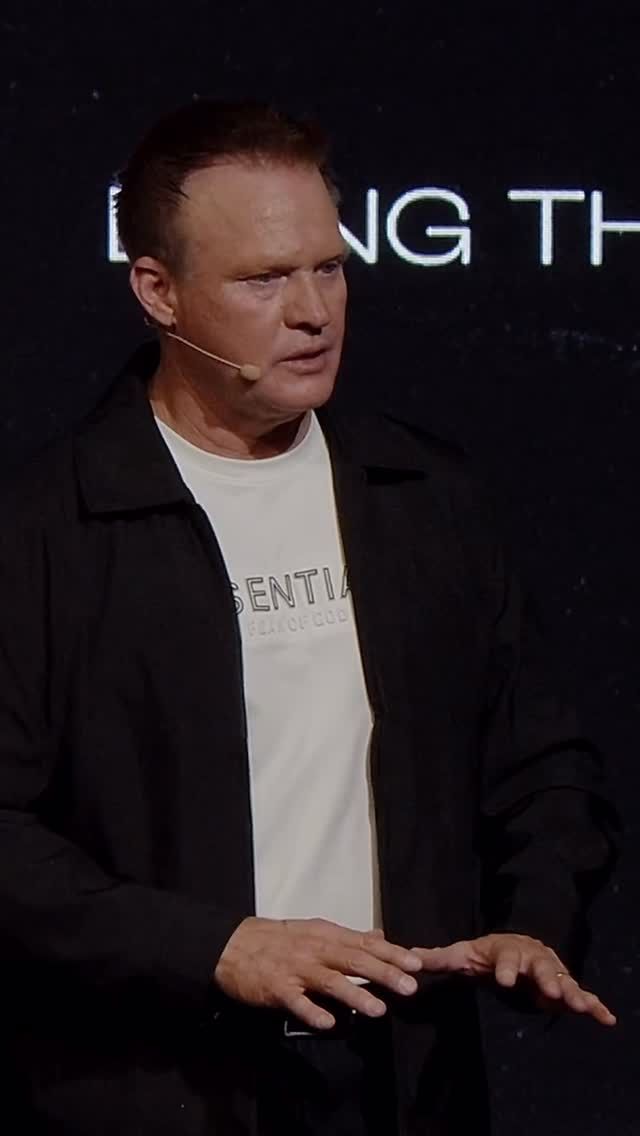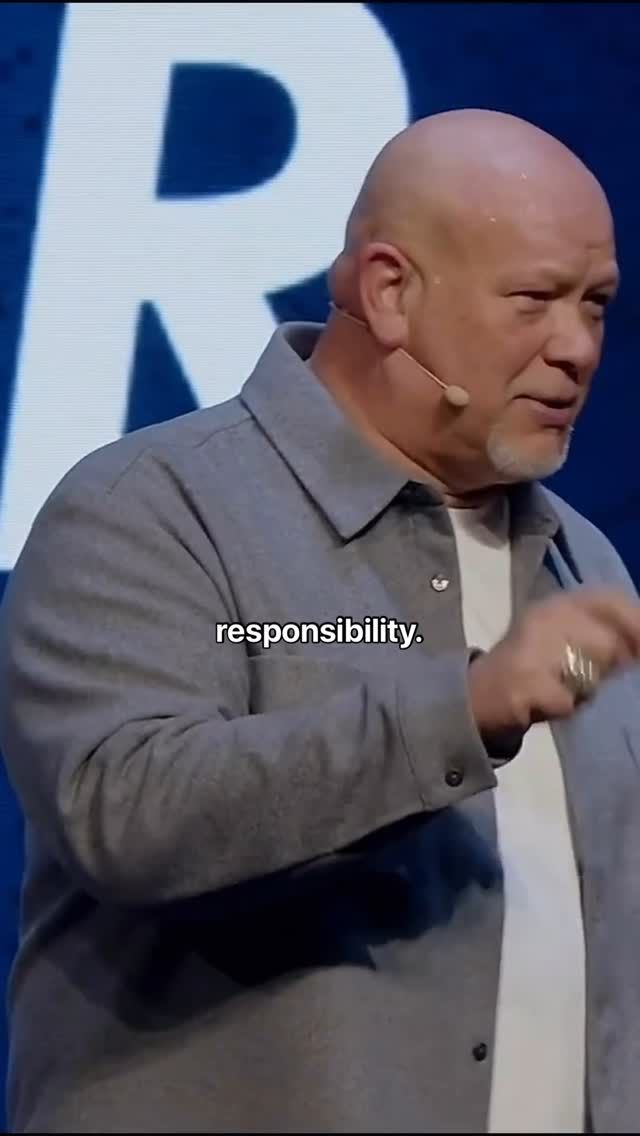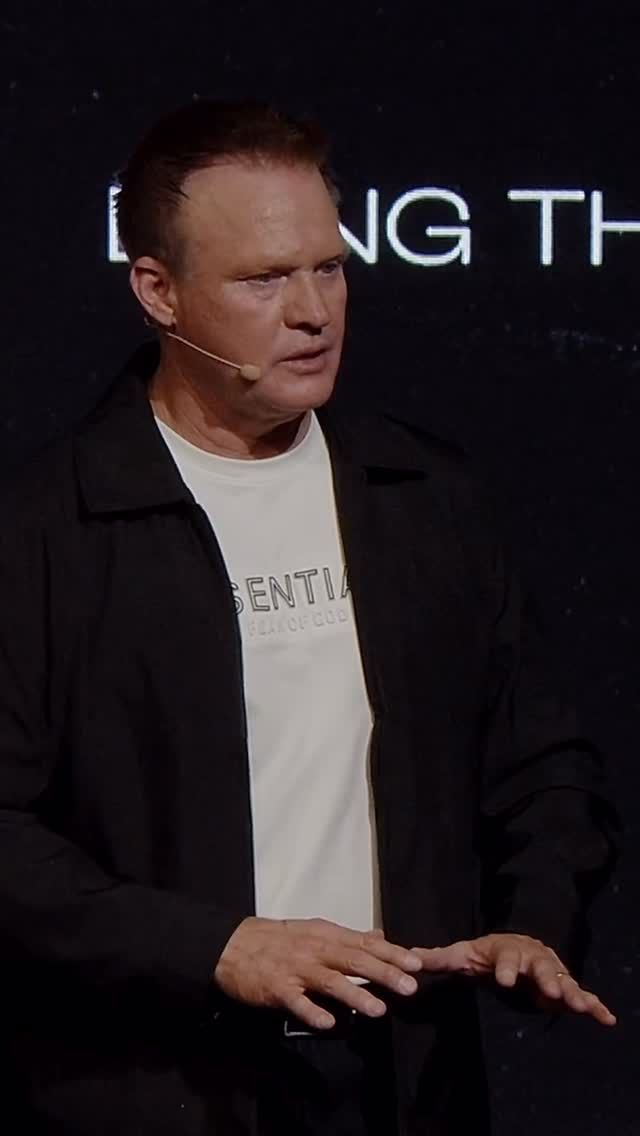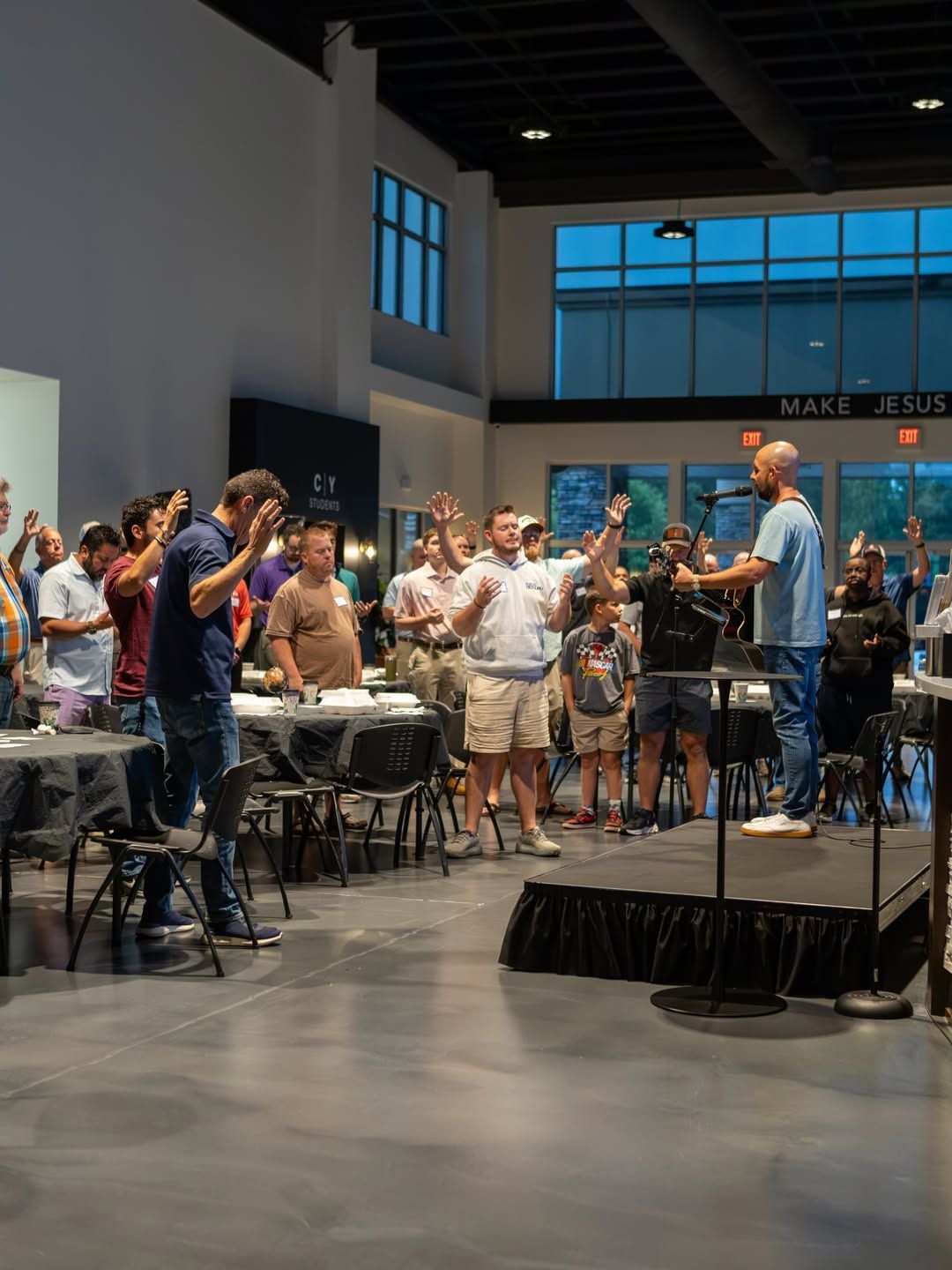

Perseverance in trials is one of the most important questions believers face when life gets heavy: What do you do when you’re tired, discouraged, or tempted to quit? This matters for new believers, long-time churchgoers, and anyone who feels like their faith is being tested—because hardship can distort how you see God, yourself, and your future. In Pastor Scott Sheppard’s message, the anchor wasn’t hype or willpower; it was identity and promise: “Showing up still matters,” and “ You come too far to lose. ” As spring brings a sense of renewal, it can also reveal the places where you’re still carrying winter-weight in your soul—and you need a steady, biblical reason to keep going. This is also where embracing living water becomes more than a phrase: it’s learning to keep trusting Jesus when the path is hard.
Bottom Line Upfront: What Perseverance Really Means for a Believer
- Perseverance in trials is not pretending everything is fine; it’s continuing to trust and obey Jesus when life is not fine.
- According to Romans 8:37, believers don’t overcome by grit alone—they overcome “through Him who loved us.”
- “Showing up still matters” because faith is often proven in small, repeated choices, not dramatic moments.
- 2 Corinthians 4:8–9 teaches that pressure and confusion are real, but they don’t get the final word over your life.
- Praise and testimony (Revelation 12:11) are not denial; they are spiritual alignment with what God has done and is doing.
- Your setback doesn’t have to be your identity—God can work through what others meant for harm (Genesis 50:20).
Why “More Than Conquerors” Isn’t Motivational Talk (Romans 8:37)
Pastor Scott highlighted something easy to miss in Romans 8:37: the verse doesn’t say we are more than conquerors because we’re tough, disciplined, or naturally optimistic. It says, “In all things we are more than conquerors through Him who loved us ” (Romans 8:37). That single phrase— through Him —is the theological center of perseverance.
In plain language, this means Christian endurance is not primarily self-powered. It’s relationship-powered. When you belong to Christ, your life is connected to His victory, His love, and His faithfulness. That doesn’t erase pain, but it changes what pain can ultimately do to you.
Here’s a beginner-friendly way to think about it:
- “Conqueror” language is identity language. It describes who you are in Christ, not just how you feel today.
- “In all things” is realism. It assumes there will be “things”—pressure, conflict, grief, temptation, disappointment.
- “Through Him who loved us” is the source. Perseverance in trials draws strength from Jesus’ love, not your mood.
This is why Pastor Scott could say, “You come too far to lose.” He wasn’t claiming believers never struggle. He was grounding the congregation in a deeper truth: if Christ holds you, your struggle is not the end of your story.

The Theology of “Showing Up”: Faithfulness When You Feel Empty
One of the most practical lines from the sermon was also one of the most theological: “Showing up still matters.” Pastor Scott even used a humorous gym story to make a serious point—progress isn’t always immediately visible, but consistency is still meaningful.
For believers, “showing up” is not about earning God’s love. It’s about responding to God’s love. It looks like continuing in prayer, worship, community, and obedience even when you don’t feel strong. This is where perseverance in trials becomes a form of worship: you’re saying with your life, “God, I trust You more than I trust my circumstances.”
Many people assume that “real faith” always feels confident. But the Bible often paints faith as continuing forward while you’re still trembling. Pastor Scott said it plainly: “Sometimes victory doesn’t look like a shout… sometimes victory looks like, look at me, I’m still breathing.” That’s not a lesser victory. It’s often the very place God is sustaining you.
When you keep showing up, you’re practicing a crucial spiritual truth: God’s presence is not dependent on your performance. Your feelings may rise and fall, but God’s purpose does not collapse when you have a hard week.
Pressed but Not Crushed: Why Trials Don’t Get to Name You (2 Corinthians 4:8–9)
Pastor Scott’s message resonates strongly with Paul’s realism in 2 Corinthians 4:8–9: “We are hard pressed on every side, but not crushed; perplexed, but not in despair; persecuted, but not forsaken; struck down, but not destroyed.”
This passage matters because it gives believers a truthful vocabulary for hardship. Notice Paul doesn’t deny the pressure. He names it. Yet each painful reality is paired with a boundary line—something the trial cannot ultimately do.
Here’s the theological significance: trials can affect your experience , but they don’t have authority over your identity.
- Hard pressed is real pressure—but pressure isn’t permission for your life to collapse.
- Perplexed is real confusion—but confusion doesn’t mean God has abandoned you.
- Struck down is a real hit—but it isn’t the same as being destroyed.
This is why perseverance in trials isn’t just “hanging on.” It’s refusing to let suffering rename you. You may be in a season of pain, but in Christ you are not “forsaken.” You may have taken a hit, but you are not “destroyed.”
Pastor Scott captured this difference between a moment and an identity when he said, “You may have stumbled, but look at you. You didn’t stay down.”

“I Have Overcome the World”: Why Jesus’ Victory Changes Your Present (John 16:33)
John 16:33 is one of the clearest places where Jesus tells the truth about life while giving unshakable hope: “In this world you will have trouble. But take heart! I have overcome the world.”
Two truths sit side by side:
- Trouble is promised. Jesus doesn’t shame you for facing it.
- Overcoming is also promised. Not because you never struggle, but because Jesus has already won.
This is essential for beginners because many people quietly believe, “If I’m really following God, life should get easier.” But Jesus says trouble is part of living in a broken world. The difference is that trouble is no longer the highest authority over you.
Pastor Scott emphasized this kind of confidence: you don’t win because you’re good; you win because He’s good. That’s not a denial of hardship. It’s a re-centering of hope.
How Testimony Works in Spiritual Battles (Revelation 12:11)
Revelation 12:11 says, “They triumphed over him by the blood of the Lamb and by the word of their testimony.” Pastor Scott’s sermon leaned into this idea of victory that is anchored in what Jesus has done (“the blood of the Lamb”) and what believers continue to confess (“the word of their testimony”).
For a beginner, “testimony” can sound like a dramatic story. But biblically, testimony is broader than that. It is a truthful statement about who Jesus is and what He has done—spoken in a way that strengthens faith.
In everyday life, testimony can sound like:
- “God has carried me before, and I believe He can carry me again.”
- “I’m not okay yet, but I’m not alone.”
- “Jesus is still Lord of my life, even in this.”
This is a powerful companion to perseverance in trials because it helps you resist the quiet lies that often show up in suffering: “Nothing will change,” “God forgot you,” “This is the end.” Testimony doesn’t ignore reality—it speaks God’s reality into it.
Setback vs. Setup: God’s Purpose Without Pretending Pain Isn’t Painful (Genesis 50:20)
Genesis 50:20 is often quoted, but it’s best understood carefully: “You intended to harm me, but God intended it for good to accomplish what is now being done, the saving of many lives.” Pastor Scott used this theme to encourage believers to see setbacks as potential setups—moments God can work through.
Important clarification for beginners: this verse does not mean every painful thing is “good,” or that believers should minimize harm done to them. Joseph is naming real evil—“You intended to harm me.” The theological hope is that God’s purpose is not fragile. God can work through what others meant for harm without calling the harm holy.
That’s why perseverance in trials is not forced positivity. It’s trust that God can still write chapters when the previous pages were painful. As Pastor Scott said, “As long as I’ve got breath, I’m still breathing. There’s still chapters he’s writing in my story.”
The Hidden Impact of Quitting Too Soon
When you’re exhausted, quitting can look like relief. But spiritually, quitting often has costs you don’t see at first. This isn’t about guilt—it’s about clarity. If you’ve “come too far,” it’s worth understanding what’s at stake when you stop showing up.
Here are a few real-life impacts of giving up too soon:
- Your identity can shrink. When you stop believing what God says about you, you can begin living out of fear or shame instead of sonship and freedom.
- Your hope can quietly drain. Not all hopelessness is loud. Sometimes it’s the slow decision to expect nothing good.
- Your worship can become conditional. If you only praise when things improve, you may never learn the strength of praising in the middle.
- Your future decisions can be shaped by pain. Trials can train you—either toward wisdom and dependence on God, or toward avoidance and cynicism.
Pastor Scott’s reminder is timely here: “You might have been through hell, but you don’t have to smell like it.” In other words, what you’ve been through doesn’t have to define how you live from here.
Common Missteps When You’re Trying to Endure (Checklist)
- □ Confusing perseverance with denial. Endurance doesn’t mean you can’t admit you’re hurting; it means you keep bringing the hurt to God.
- □ Making it all about willpower. Romans 8:37 points to victory “through Him,” not through personality strength.
- □ Waiting to “feel” faithful before acting faithful. Often, the feeling follows the obedience, not the other way around.
- □ Isolating when you’re overwhelmed. Pulling away can intensify despair; showing up can interrupt it.
- □ Treating setbacks as proof you’re disqualified. A stumble is not the same as a final defeat.
- □ Turning prayer into a performance. Honest prayer in weakness is still prayer, and God can meet you there.
A Simple Action Plan for Staying Faithful Under Pressure (Checklist)
- □ Name the trial without exaggerating it. Use Paul’s language: “pressed,” “perplexed,” “struck down”—and then add God’s boundary: “not crushed,” “not in despair,” “not destroyed” (2 Corinthians 4:8–9).
- □ Repeat your identity out loud. Say, “In Christ, I am more than a conqueror through Him who loved me” (Romans 8:37).
- □ Choose one “showing up” habit for the week. Keep it small and concrete: a short prayer, a worship song, reading one passage, or writing a brief testimony statement.
- □ Practice praise as resistance. Praise is not pretending; it’s placing God back at the center when fear wants the throne.
- □ Write a one-sentence testimony. Keep it honest: “God is with me, and I’m not giving up.” Then revisit it when the pressure spikes.
- □ Ask Jesus for courage, not just answers. John 16:33 doesn’t promise explanations; it promises His overcoming presence.
A Word from Experience: The Moment People Usually Quit
In practice, we often see that people are most tempted to quit right after they’ve done something good—when they showed up, prayed, worshiped, or tried again—but didn’t feel immediate change. That’s why Pastor Scott’s words matter so much: “Showing up still matters.” Perseverance in trials is often built in that exact gap between obedience and visible results, where faith learns to trust God’s love more than the scoreboard.
When It’s Time to Ask for Support Instead of Going Alone
Persevering doesn’t mean you handle everything by yourself. Sometimes the most faithful step is asking for help. Consider reaching out for prayer and support if:
- You feel stuck in despair or numbness and can’t seem to re-engage with hope.
- You’re experiencing persistent depression, panic, or thoughts of self-harm.
- Your trial is leading you toward destructive coping (substance abuse, secrecy, isolation, uncontrolled anger).
- You’ve stopped worshiping, praying, or connecting with other believers because you feel ashamed or “too far gone.”
- You can’t tell the difference between conviction (God drawing you back) and condemnation (shame pushing you away).
If you’re in immediate danger or considering self-harm, seek emergency help right away through local emergency services. God’s care for you can include timely, practical support.
Common Questions Answered
Is it normal to feel tired or discouraged while trying to follow Jesus?
Yes. Scripture is honest that believers will face trouble (John 16:33) and pressure (2 Corinthians 4:8–9). Feeling tired doesn’t mean you’ve failed; it may mean you need rest, support, and renewed focus on Christ.
Does being “more than a conqueror” mean I won’t struggle?
No. Romans 8:37 says “in all things” we are more than conquerors—meaning the struggles are real. The promise is that victory is rooted “through Him who loved us,” not in the absence of hardship.
What if I don’t feel like worshiping during a hard season?
Worship can be a choice before it becomes a feeling. Pastor Scott’s point that “showing up still matters” applies here: you can worship honestly, even if it’s quiet and imperfect, and still be aligning your heart with God’s truth.
How do I share a testimony if my situation isn’t resolved yet?
A testimony can be as simple as stating what you know about Jesus in the middle of the struggle (Revelation 12:11). You can say, “God is with me,” “I’m still standing,” or “I’m not giving up,” even while you’re still waiting.
Does God use painful situations for good even when others meant harm?
Genesis 50:20 shows that God can work through what others intended for harm. That doesn’t make the harm good, but it does mean God’s purpose is not blocked by it.
Taking Action
Perseverance in trials is not a demand to be strong all the time; it’s an invitation to stay connected to the One who is strong on your behalf. Romans 8:37 anchors you in love, 2 Corinthians 4:8–9 gives you language for pressure, and John 16:33 reminds you that Jesus has already overcome. If you feel like you’re barely standing, remember Pastor Scott’s encouragement: sometimes victory is simply that you’re still here, still breathing, still worshiping. What would change this week if you treated “showing up” as a holy act of trust?
Learn More About Our Services
Discover how we can help you achieve your goals.
Get Connected