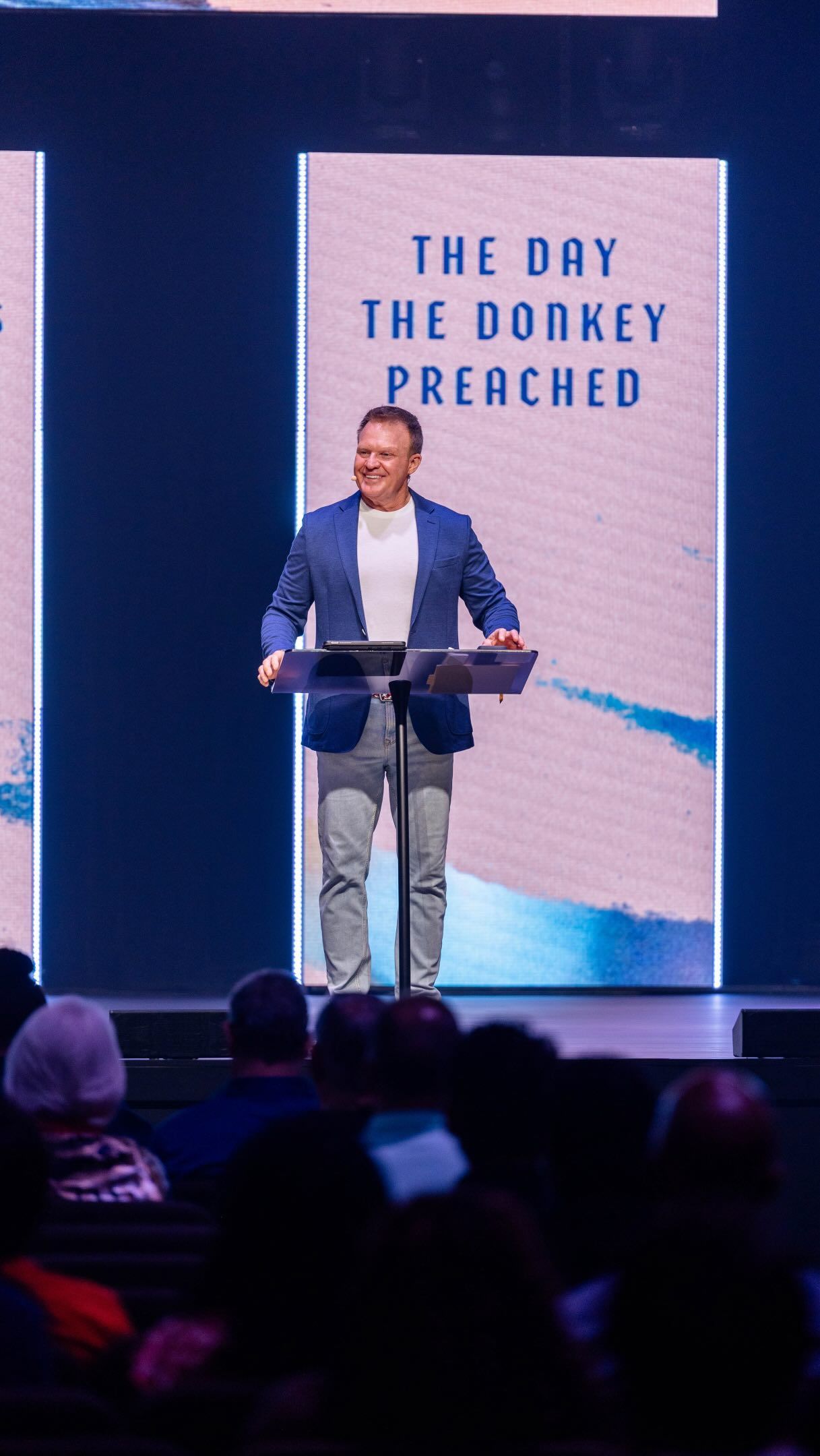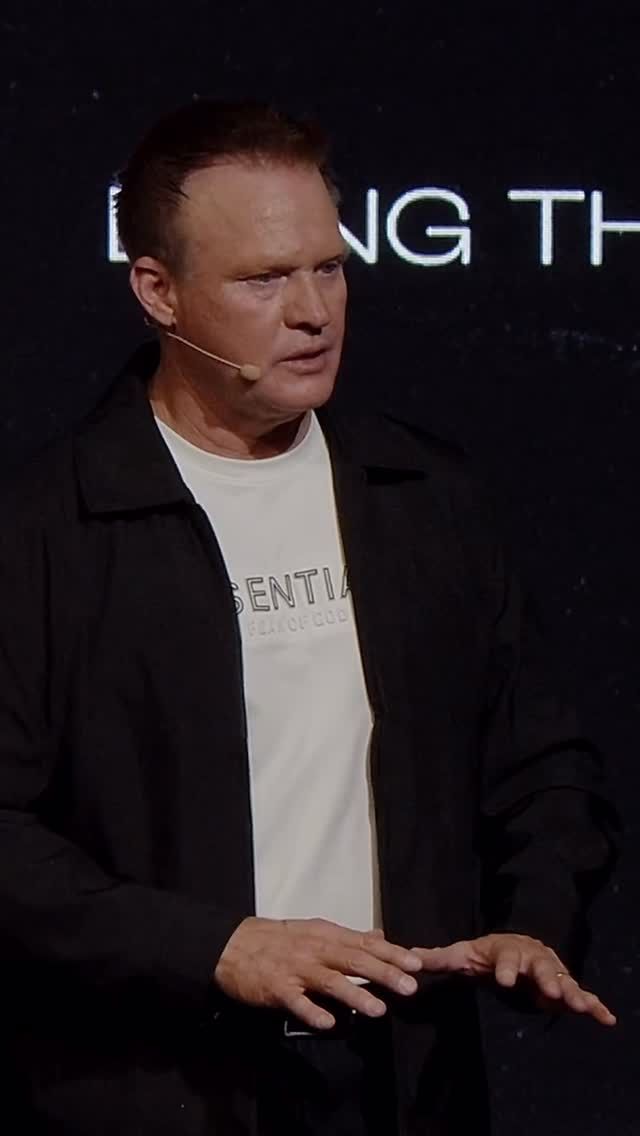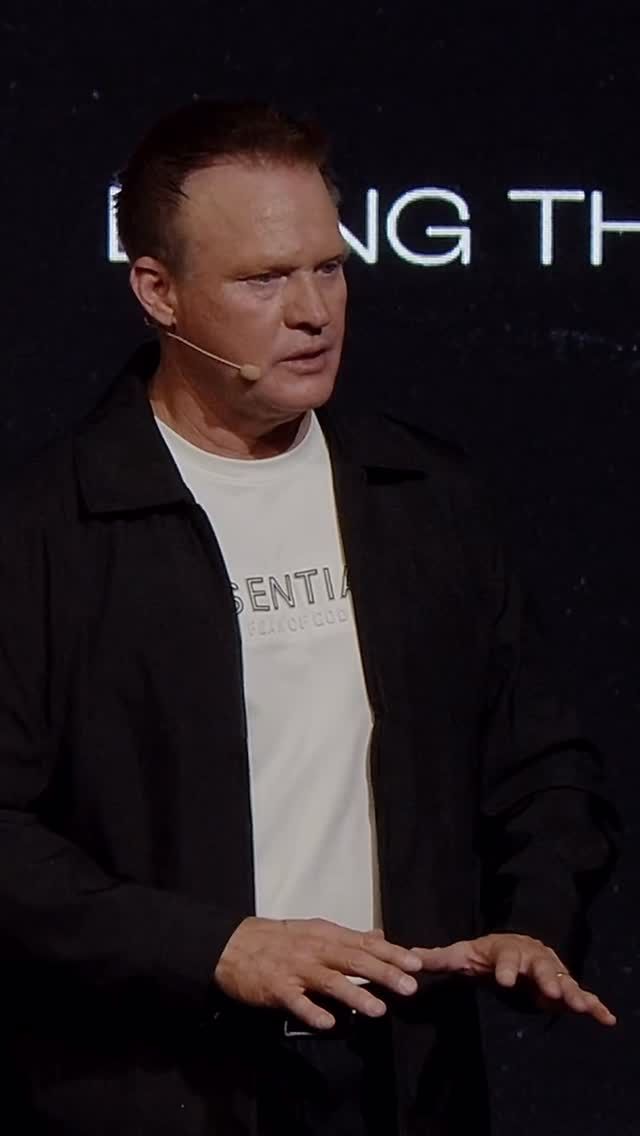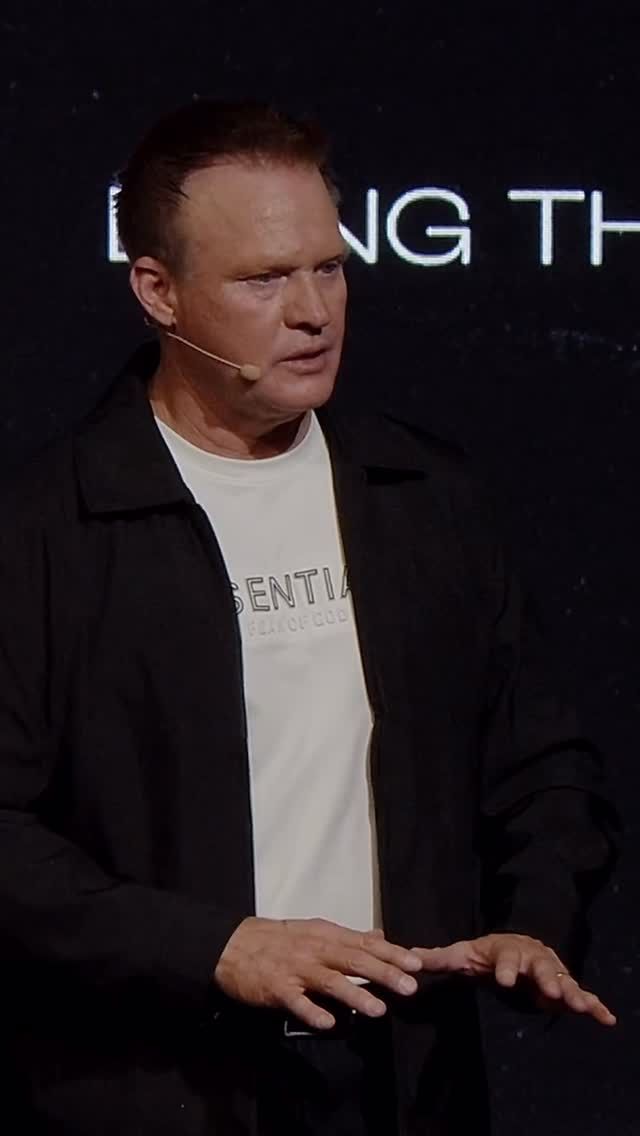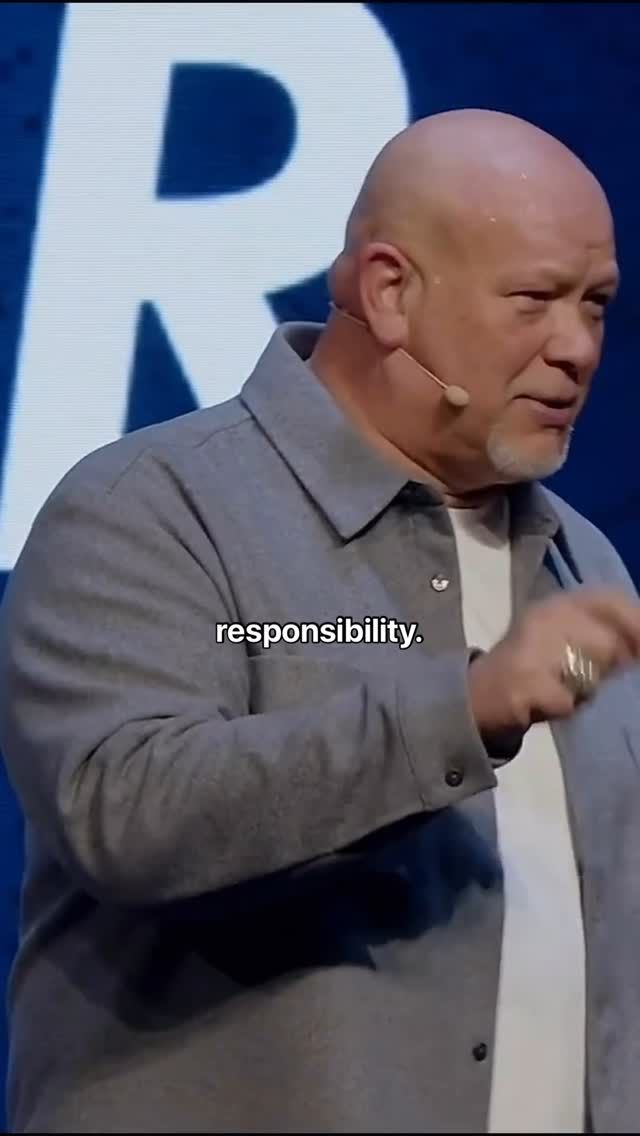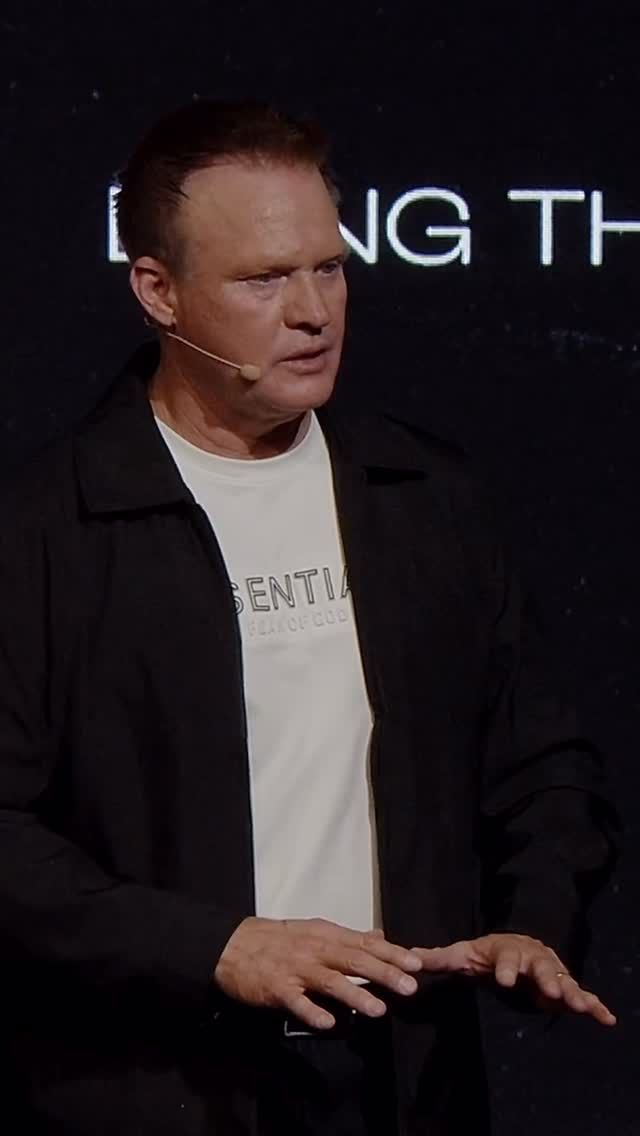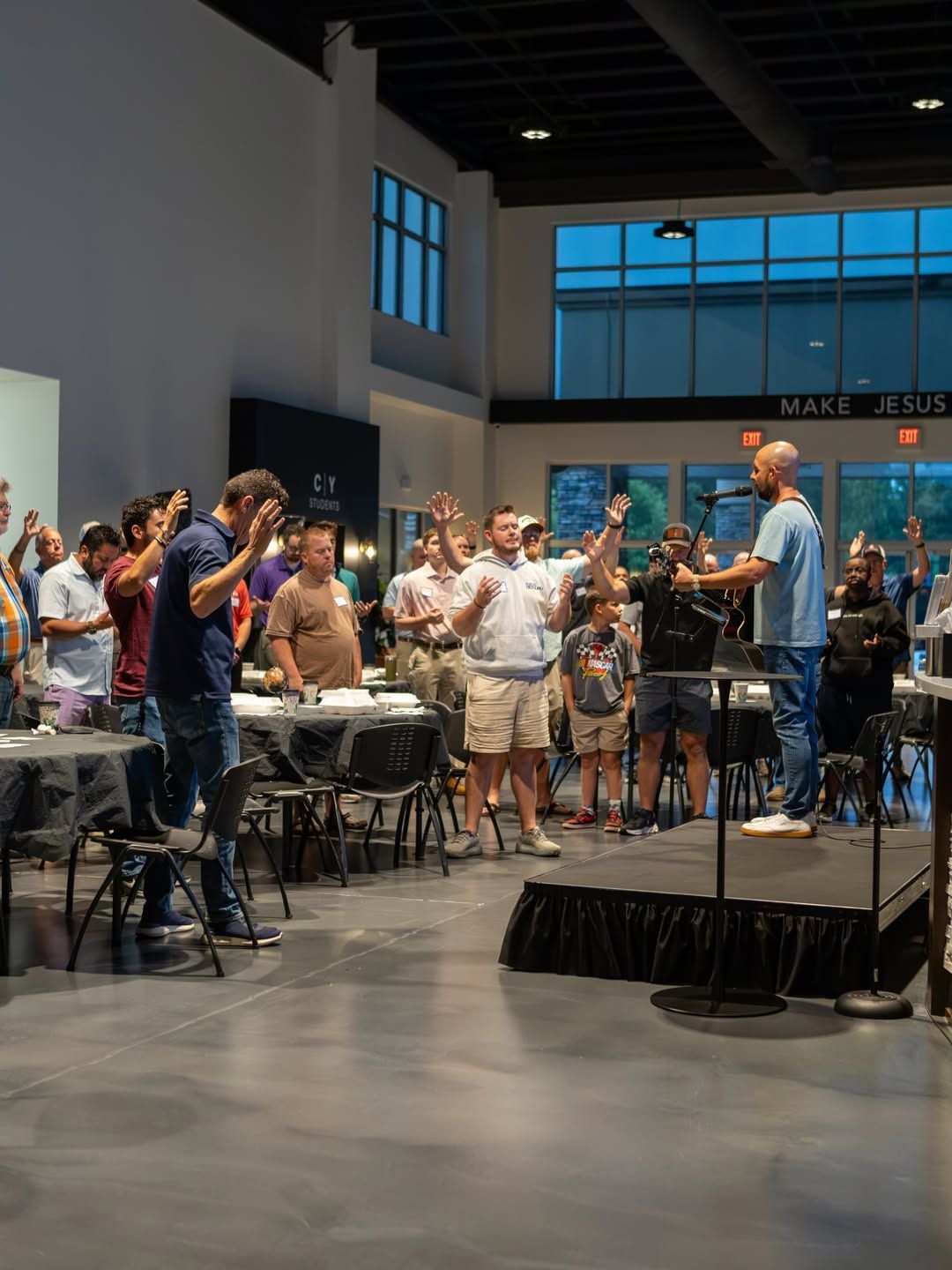

Spring has a way of putting everyday conversations back on the front porch, in the checkout line, and on the sidelines. If you have ever wondered how to live out the Great Commission without feeling awkward or pushy, Pastor Scott Sheppard’s “One More!” message gives a simple, steady direction: “You’re still here for a reason.” The goal is not to win arguments or force moments—it is to be present, prayerful, and willing to invite one more person toward Jesus through your story.
Pastor Scott reminded us that the Great Commission is “not the great recommendation,” and that you have not just been saved—you have been sent. If you want a deeper foundation for that idea, read Embracing the Great Commission: One More! Challenge. (Note: this post focuses on everyday life; it does not cover “embracing living water,” because that phrase and theme were not part of this sermon.)
Bottom Line Upfront: How to Live This Monday-Saturday
- Start with prayer for opportunities , not pressure—ask God to open one door for one person.
- See your normal places as mission territory (work, school, gym, neighborhood), just like Pastor Scott described.
- Use your story : a simple “Here’s what Jesus has done in me” often lands better than a long speech.
- Practice one clear invitation —to talk, to pray, or to come with you—because “everybody wants to know that they matter.”
- Choose boldness over silence ; as Pastor Scott said, “A quiet church is a dangerous church.”
How the Great Commission Fits Ordinary Moments
Pastor Scott anchored the message in Matthew 28:19: “Go therefore… and make disciples.” That “go” does not require a stage, a microphone, or a perfect script. It means your everyday routes can become intentional. The sermon also points to Acts 1:8—God gives power to be witnesses—so the pressure is not on you to manufacture results. Your role is faithfulness: showing up, paying attention, and speaking when the moment opens.
He also said your workplace, neighborhood, coffee shop, and ball field are mission fields. In other words, the Great Commission is not mainly an event—it is a way of walking through your week with open eyes and an open heart.

The Real-World Cost of Staying Quiet
Silence can feel safe, but it can also slowly shrink your purpose. Pastor Scott’s line lands here: “A quiet church is a dangerous church.” Not because volume is the goal, but because quiet often comes from fear—fear of being misunderstood, fear of losing social comfort, fear of saying the wrong thing.
When you avoid sharing faith entirely, a few practical things happen:
- You miss open doors —the coworker who is grieving, the neighbor who is lonely, the friend who is quietly searching.
- You carry private pressure —you care, but you never act, and that tension builds.
- You forget you are an ambassador —2 Corinthians 5:20 frames your identity as someone God can speak through.
Pastor Scott also emphasized heaven’s perspective: “Heaven doesn’t see an empty chair; it sees purpose.” That is not a guilt trip—it is a reminder that people matter, and your voice can be part of how they feel seen.
Common Missteps That Make Sharing Faith Harder
- Waiting for a “perfect” moment — Many moments are imperfect; the goal is obedience, not perfection (Matthew 28:19).
- Trying to sound like someone else — Your story is your strength; Pastor Scott called us to share what we have lived.
- Leading with a lecture — Start with listening. A question often opens more than a speech.
- Assuming people will be offended — Some might be, but many are simply waiting for someone to care enough to ask.
- Staying vague forever — Kindness matters, but eventually the Great Commission includes words: an invitation, a testimony, a next step.
A Simple Weekday Plan to Practice “One More”
Prerequisites: a willing heart, a few minutes of prayer, and one person on your mind.
- 1) Choose one name and write it down.
Tip: Keep it to one person so you do not drift into vague intentions. - 2) Pray for one open door.
(Acts 1:8)
Tip: Keep the prayer simple: “Lord, give me an opportunity and courage.” - 3) Look for everyday pressure points.
Tip: Stress at work, conflict at home, loneliness, and big decisions often create natural openings for sharing faith. - 4) Ask one honest question.
Tip: “How are you really doing?” or “What’s been heavy lately?” is often enough. - 5) Share a short, real sentence about Jesus in your life.
Tip: Try: “I’ve been learning to bring that to Jesus in prayer—can I pray for you?” - 6) Make one clear invitation.
(Matthew 28:19)
Tip: Invitations can be simple: “Want to come with me?” or “Want to talk more over coffee?” - 7) Follow up within a day or two.
Tip: A quick message—“I’m still praying for you”—keeps the door open without pressure.

From the Field: What Most People Miss About Boldness
In practice, we often see that boldness is less about personality and more about preparation. When you decide ahead of time that you will not stay silent, you notice opportunities you used to overlook—especially in ordinary places Pastor Scott listed (work, school, gym, neighborhood). Sharing faith becomes less like “performing” and more like responding to a moment with love and clarity.
When You Should Ask Someone to Walk With You
You do not have to carry this alone. Consider getting pastoral support or trusted spiritual guidance if:
- You feel intense fear or anxiety every time you consider sharing faith, and it is keeping you stuck.
- Someone asks complex questions and you are not sure how to respond with both truth and kindness.
- You are trying to help a friend in crisis and you need wisdom on appropriate next steps.
- You have experienced relational fallout before and want help approaching conversations with humility and clarity.
Common Questions About Living on Mission
What if I do not know what to say when a door opens?
Start with your story and keep it short. Pastor Scott emphasized that your personal testimony can have real impact. A simple offer—“Can I pray for you?”—is often a natural next step.
Is inviting someone to church the same thing as making disciples?
An invitation can be one step, but discipleship is bigger than attendance. Matthew 28:19 describes a process of helping people follow Jesus. Inviting is often a meaningful beginning, not the finish line.
How do I handle fear of being judged or misunderstood?
Fear is common, and it is one reason Acts 1:8 matters—God provides power to be witnesses. Aim for respectful honesty, not a perfect delivery.
Does my everyday life really count as “mission territory”?
Yes—this was a central point in the sermon. Pastor Scott named ordinary places like workplaces, neighborhoods, coffee shops, gyms, and schools as real places to live with purpose.
What does it mean to be an ambassador for Christ?
2 Corinthians 5:20 describes believers as Christ’s ambassadors—people who represent Him in how they speak and live. It does not mean you have all the answers; it means you are willing to represent Jesus with humility and courage.
Taking the Message Into the Weekend
You are still here for a reason. The Great Commission is not reserved for Sundays—it fits into traffic, deadlines, family tension, and the quiet moments when someone finally admits they are not okay. If you take one step, make it this: choose one person, pray for one open door, and be ready to share faith in a simple, human way. One more conversation can be more meaningful than you think.
Get in Touch
Fill out our quick form and we'll get back to you within 24 hours.
Get Connected