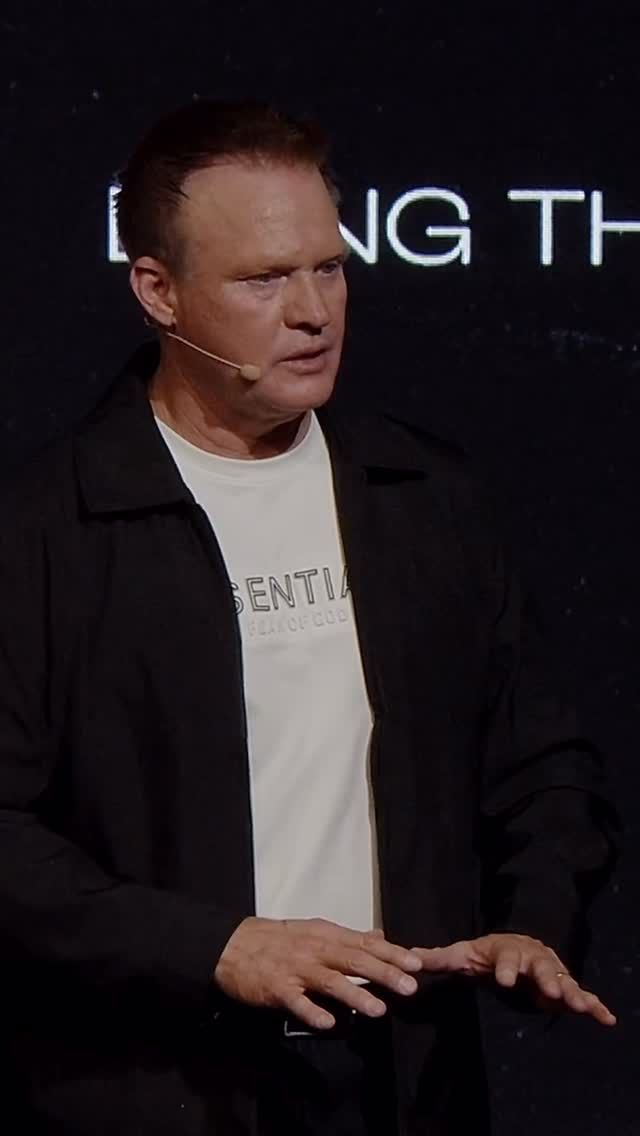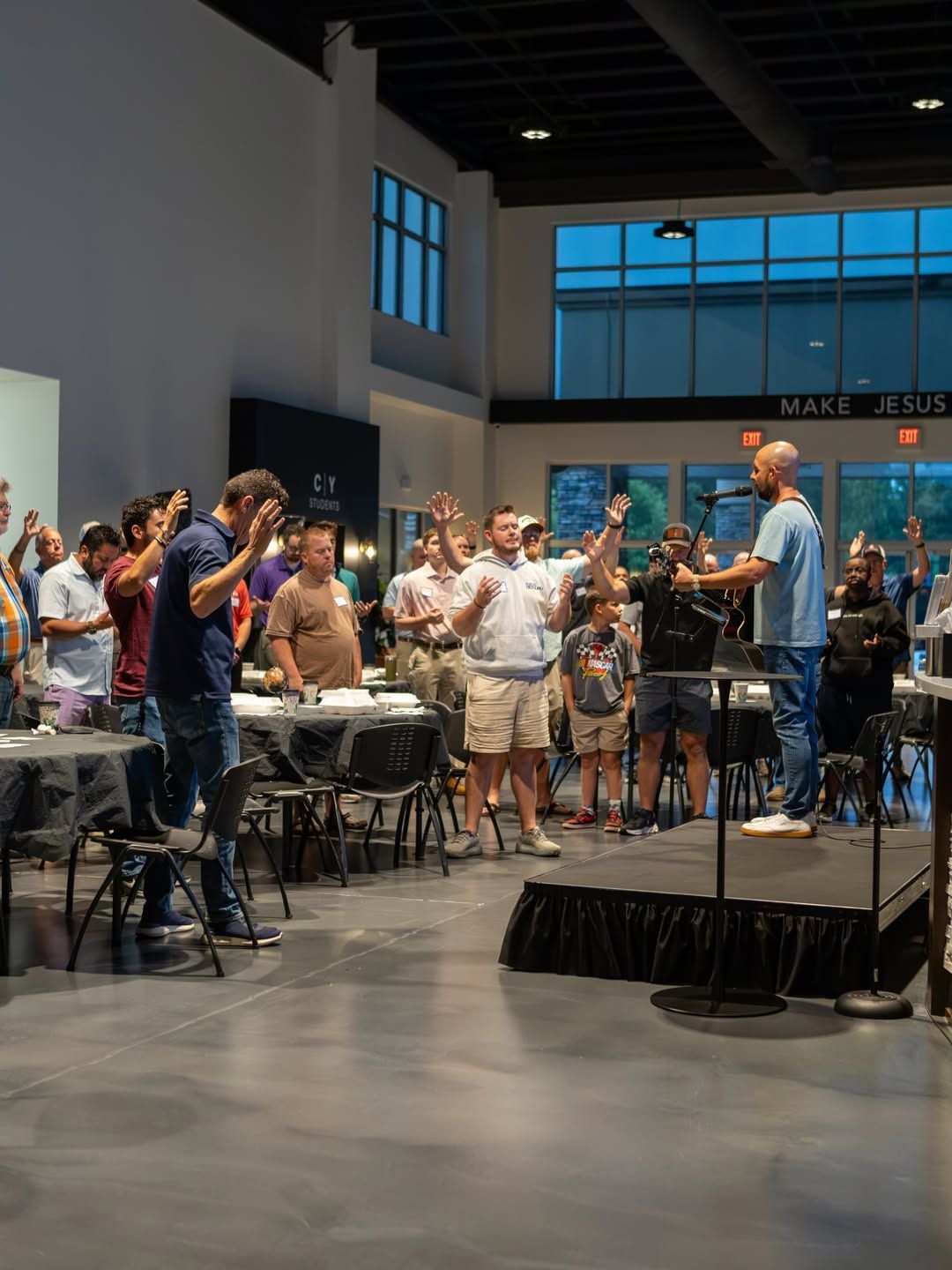

Prayer is often treated like an optional add-on to leadership—something we do after we’ve already decided what we want to build, fix, or prove. But in the story Pastor Steve Stringham taught from Nehemiah, prayer isn’t a religious accessory; it’s the starting place where God forms the leader before the leader forms the plan. In a season that naturally reminds many of renewal, it’s worth asking what would change if your leadership rhythms began in God’s presence instead of in pressure. For anyone leading at home, at work, in ministry, or simply trying to lead themselves well, this matters. It’s also where the power of prayer becomes more than a phrase—it becomes a posture. And as required, we’ll name it plainly: embracing living water means learning to lead from what God supplies, not merely what you can produce.
If you want a companion piece that focuses on identifying where God may be stirring you to lead, read Recognizing Your Leadership Potential in Nehemiah’s Story. Here, we’ll go deeper into the theological “why” behind Pastor Steve’s repeated emphasis: “Before moving ahead always pray up the process.”
Bottom Line Upfront: Prayer-Formed Leadership
- Prayer is where leadership is aligned —Nehemiah’s first response to need was not action, but turning to God (Nehemiah 1).
- The power of prayer reshapes motivation —from self-protection and image management to obedience and love for people.
- Prayer anchors planning —Nehemiah’s requests and strategy flow from time spent seeking God (Nehemiah 2:5–8).
- Prayer strengthens resilience —when opposition or fatigue comes, prayer keeps the mission from becoming merely personal.
- Prayer builds community-minded leadership —Nehemiah’s burden wasn’t private success; it was restoration for God’s people (Nehemiah 2:17–18).
Why Nehemiah Starts With Prayer Before Building
Pastor Steve highlighted a leadership pattern that can feel counterintuitive: Nehemiah doesn’t begin with a speech, a fundraiser, or a public launch. He begins with awareness and prayer. Nehemiah 1:2 shows him asking questions—he “questioned them about the Jewish remnant… and also about Jerusalem.” Leadership in Scripture often begins with seeing what’s broken and letting that reality reach the heart.
Then comes the spiritual pivot: Nehemiah’s burden moves him toward God. This is one of the core theological reasons prayer matters in leadership: prayer is not simply asking for help; it is acknowledging who God is and who we are. In prayer, a leader stops pretending to be self-sufficient. That matters because leadership regularly tempts us to believe our competence is our covering.
Nehemiah’s story also shows that prayer is not the opposite of planning. Prayer is the soil where wise planning grows. When Pastor Steve said, “If you have a burning desire for ministry, take the important step and bathe the opportunity in prayer,” he was echoing Nehemiah’s sequence: burden → prayer → plan → action → community mobilization.
Isaiah 58:10 ties this burdened, Godward posture to God’s restoring work: when God’s people spend themselves on behalf of the hungry and oppressed, light rises in darkness. The passage continues with a promise that connects directly to Nehemiah’s calling: “You will be called the repairer of broken walls” (Isaiah 58:10–12). Theologically, restoration is not merely a human project—it’s participation in what God delights to do.
The Power of Prayer: A Theology of Dependence, Not Performance
One reason the power of prayer matters for leadership is that prayer re-centers leadership on dependence. In Scripture, dependence is not weakness; it’s truth. Nehemiah’s position in Persia gave him access and influence, but it did not remove his need for God. Prayer becomes the place where influence is surrendered and re-aimed.
Pastor Steve asked a question that presses into identity: “How can God use me to accomplish his purpose?” That question assumes something profound: God is not limited to using “official” leaders. He uses willing people—people who will listen, pray, and obey. Prayer is where willingness becomes steadiness.
In leadership, we often confuse two things:
- Visibility (being seen as capable)
- Faithfulness (being anchored to God)
Prayer trains leaders to prioritize faithfulness over visibility. That’s why the power of prayer is not mainly about getting God to endorse our plans; it’s about letting God shape our hearts so our plans reflect His priorities.
Nehemiah’s Bold Requests: Prayer That Leads to Courageous Action
Nehemiah 2:5–8 records a moment Pastor Steve emphasized: Nehemiah asks the king for letters, resources, and permission. This is not passive spirituality. It’s faith expressed through concrete requests. But notice the order: Nehemiah’s courage is not detached from prayer; it grows out of it.
Pastor Steve captured this dynamic with a simple line: “Sometimes God just simply says, ‘What do you need?’” Theologically, that reflects God’s fatherly care. God is not reluctant to hear His people; He invites honest asking. Leaders often hesitate here because asking feels risky—like admitting limits. But Nehemiah models that godly leadership includes clear, humble requests.
This is also where prayer protects leaders from using people as tools. When prayer comes first, people are not a means to an end; they are the reason the work matters. Nehemiah isn’t rebuilding walls to make a name—he’s rebuilding for the safety, identity, and worship life of God’s people.

Promises, Hope, and the Leader’s Long View
Pastor Steve referenced prophetic promises that shaped Nehemiah’s imagination. Jeremiah 31:17 says, “There is hope for your descendants… your children will return to their own land.” Nehemiah’s leadership wasn’t just about solving a short-term problem; it was tied to God’s long-term faithfulness. That’s a key theological “why”: prayer keeps leaders connected to God’s promises so they don’t lose perspective when progress is slow.
When leaders lose the long view, they often drift into one of two errors:
- Despair (nothing will change, so why try?)
- Control (I have to force outcomes, or it won’t happen)
Prayer interrupts both. It’s where despair is met with hope, and control is met with surrender. The power of prayer is that it reattaches the leader’s heart to God’s character—His faithfulness, His wisdom, and His timing.
From Private Burden to Shared Mission: Prayer and Team Leadership
Nehemiah 2:11–16 shows him inspecting the situation carefully before announcing anything. Then in Nehemiah 2:17–18, he invites others: “Come, let us rebuild the wall of Jerusalem.” Prayerful leaders don’t just carry burdens; they translate burdens into shared mission.
Theologically, this matters because God often works through His people together. Prayer helps leaders resist the savior-complex—the idea that everything depends on them. Instead, prayer forms leaders who can say, “Let us rebuild,” not “Watch me rebuild.”
It’s also worth noticing that Nehemiah’s call to action is rooted in testimony: he speaks about God’s hand and the king’s support (Nehemiah 2:18). Prayer gives leaders language for encouragement that is honest, not hyped—grounded in what God has done and what needs to be done next.
The Hidden Impact of Prayerless Leadership
Even when a leader is competent, leadership without prayer tends to shrink over time. It can become reactive, anxious, and overly dependent on human approval. The cost is rarely immediate; it accumulates quietly.
Here are some real-life implications when prayer is neglected:
- Decision fatigue increases because you’re carrying everything in your own strength.
- Relationships strain because pressure gets transferred to the people around you.
- Mission drift happens because urgency replaces discernment.
- Resilience weakens because setbacks feel personal instead of part of a larger calling.
Prayer doesn’t remove the weight of leadership, but it changes where that weight is held. That’s part of the power of prayer : it relocates your trust from your capacity to God’s sufficiency.
Common Missteps When You Say You’re Praying (But Aren’t Really)
- Using prayer as a delay tactic — waiting for “perfect clarity” instead of praying and then taking the next faithful step (Nehemiah prays and plans).
- Only praying after you’ve decided — asking God to bless what you already chose rather than seeking His direction first.
- Confusing intensity with intimacy — strong emotions can be real, but prayer is ultimately relationship with God, not a performance.
- Skipping honest questions — Nehemiah asked what was happening (Nehemiah 1:2); leaders sometimes avoid facts because facts feel heavy.
- Praying alone forever — Nehemiah eventually invited others into the work (Nehemiah 2:17–18); isolation can look spiritual but become unhealthy.

Steps to Lead Like Nehemiah: A Prayer-First Rhythm
- Name the burden clearly — write one sentence describing what feels broken or unfinished (Nehemiah 1:2).
- Pray before you problem-solve — set a short, consistent time to bring the issue to God before making a plan.
- Ask, “What do I need?” — follow Pastor Steve’s framing; identify the resources, wisdom, or open doors you’re asking God for.
- Create a simple plan you can explain — Nehemiah requested letters and materials (Nehemiah 2:5–8); make your next steps concrete.
- Inspect reality with humility — take time to understand the situation (Nehemiah 2:11–16) instead of reacting to assumptions.
- Invite others into the mission — move from “my burden” to “our work” (Nehemiah 2:17–18).
- Return to prayer when resistance comes — resilience grows when prayer is not a phase but a lifestyle.
A Word from Experience
In practice, we often see that leaders who feel stuck aren’t lacking passion—they’re carrying the assignment without a steady prayer rhythm. When prayer becomes consistent, clarity and courage tend to follow because the leader is no longer trying to generate faith on their own; they’re receiving it through ongoing communion with God.
When You Should Ask Someone to Pray With You
Nehemiah’s story reminds us that leadership is not meant to be isolated. Consider inviting a pastor, trusted believer, or small group friend to pray with you if:
- You feel persistently overwhelmed or numb about the responsibility you carry.
- You’re making a major decision and realize you’ve been avoiding prayer because you fear what God might say.
- Conflict, criticism, or opposition is shaping your identity more than God’s truth.
- You can articulate the problem, but you can’t find peace or direction for the next step.
- You sense God calling you to lead, but insecurity keeps you from acting.
Frequently Asked Questions
Is prayer mainly about getting God to approve my leadership plans?
Nehemiah’s pattern suggests prayer is first about alignment—bringing your heart, motives, and decisions before God—so your plans flow from dependence rather than self-reliance (Nehemiah 1; Nehemiah 2:5–8).
How do I pray when I don’t feel qualified to lead?
You can begin where Pastor Steve began: “How can God use me to accomplish his purpose?” Prayer is a place to admit limitations honestly and ask God for wisdom and courage for the next faithful step.
What if I’ve been leading for a while but feel spiritually dry?
Scripture often describes God as the One who sustains His people, not just starts them. If you’re dry, return to prayer as relationship, not a task. For a related picture of God’s sustaining life, see Jesus’ words about “living water” in John 4:10–14.
Does praying mean I shouldn’t make a plan?
No. Nehemiah prayed and then made specific requests and preparations (Nehemiah 2:5–8). Prayer and planning work together when prayer sets the direction and planning serves the mission.
How can prayer help when leadership feels opposed or criticized?
Prayer helps you separate your identity from people’s reactions. It’s a place to bring fear, frustration, and fatigue to God so you can respond with wisdom instead of reacting from woundedness.
Moving Forward
Nehemiah’s story teaches that effective leadership is not just about competence; it’s about communion with God. Pastor Steve’s reminder to “pray up the process” is a call to lead from dependence, hope, and courage rooted in God’s promises. The power of prayer is that it forms the leader before the leader forms the outcome. As you consider what God may be asking you to rebuild, repair, or restore, let prayer be your first work—not your last resort.
Learn More About Our Services
Discover how we can help you achieve your goals.
Get Connected