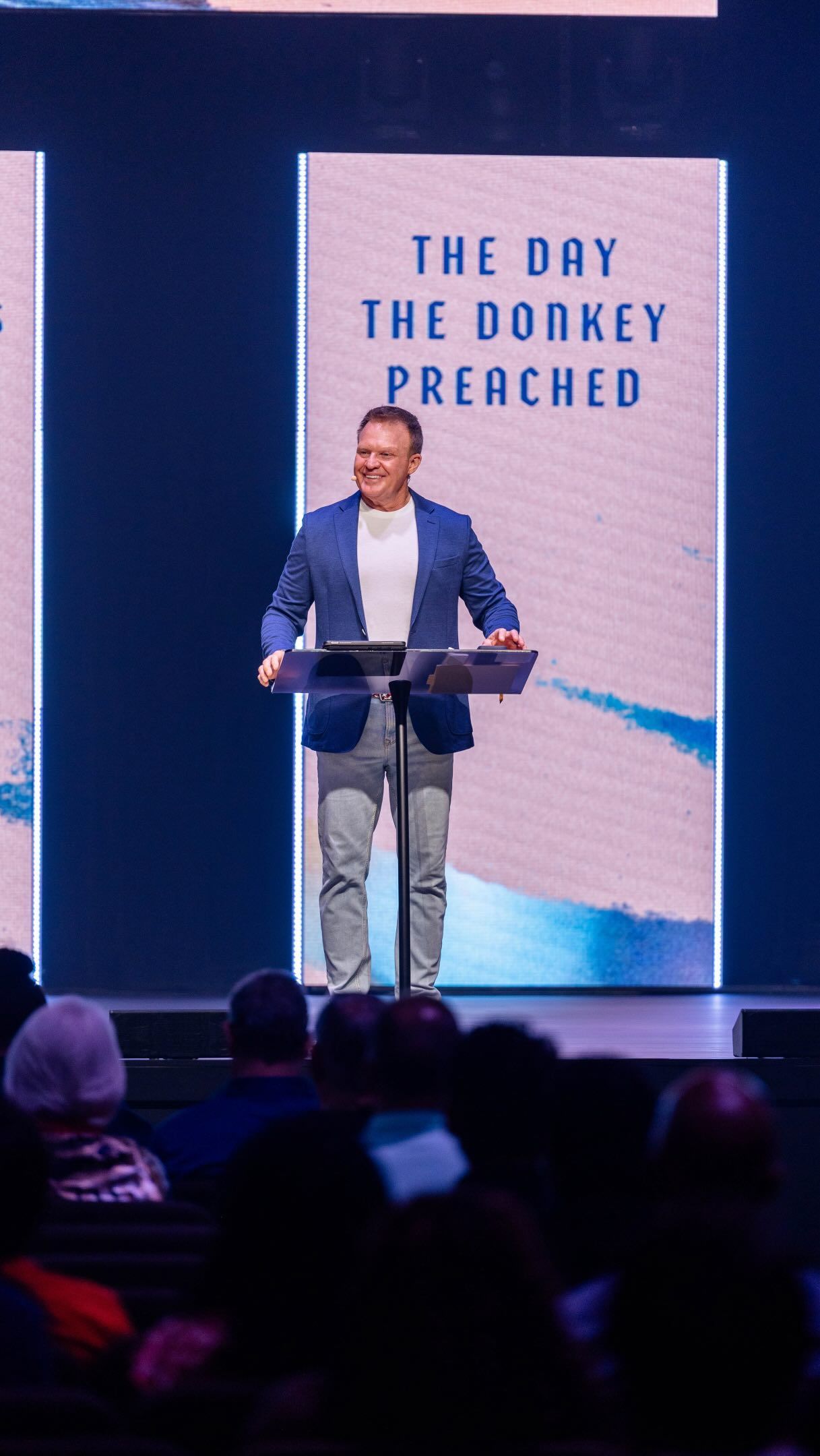

Leadership questions often show up after a message like Pastor Steve Stringham’s—because Nehemiah’s story doesn’t just inspire; it presses on real-life decisions: what to do next, what to do first, and what to do when you feel unqualified. In a season that naturally feels like renewal, it’s normal to want fresh clarity about how God might be calling you to lead at home, at work, or simply in your own spiritual life—while still staying humble and grounded. One phrase some people connect to that desire is embracing living water : not chasing hype, but seeking steady dependence on Jesus. If you want a deeper foundation for the same themes from Sunday, you can also read Recognizing Your Leadership Potential in Nehemiah’s Story.
Bottom Line Upfront: Answers to Your Leadership Questions
- Start with awareness: Nehemiah asked questions and faced reality before he acted (Nehemiah 1:2).
- Pray before you push: “Before moving ahead always pray up the process.”
- Make a plan you can explain: Nehemiah prepared specific requests and next steps (Nehemiah 2:5–8).
- Don’t lead alone: rebuilding required a shared “let us” vision (Nehemiah 2:17–18).
- Hold hope and responsibility together: God’s promises (Isaiah 58:10; Jeremiah 31:17) don’t remove your role—they shape it.
How Nehemiah’s Leadership Pattern Actually Works
Pastor Steve highlighted that Nehemiah’s leadership didn’t begin with a title—it began with a burden and a question. Nehemiah learned about Jerusalem’s condition by asking and listening: “I questioned them…” (Nehemiah 1:2). That awareness moved him to prayer before action, because calling without prayer can become pressure.
From there, Nehemiah built a practical pathway forward. He didn’t only feel concern; he prepared a plan and communicated it clearly (Nehemiah 2:5–8). And when he arrived, he inspected the situation carefully before rallying others (Nehemiah 2:11–16). The result wasn’t a solo mission—it became a shared work: “Come, let us rebuild…” (Nehemiah 2:17–18).

Why These Leadership Questions Matter in Real Life
Leadership questions aren’t just “church questions.” They affect what you do with your time, how you respond to needs, and whether you move forward with wisdom or impulse. Nehemiah’s approach shows that spiritual leadership has real-world consequences: relationships, credibility, and momentum can be strengthened—or strained—depending on whether you lead prayerfully and thoughtfully.
Pastor Steve’s line is worth sitting with: “How can God use me to accomplish his purpose?” That question can bring hope, but it can also surface fear. Nehemiah’s story makes room for both: God’s promises (Isaiah 58:10; Jeremiah 31:17) create hope, and Nehemiah’s planning creates traction. When those two stay together, leadership questions become less paralyzing and more clarifying.
Common Missteps That Derail Nehemiah-Style Leadership (Checklist)
- Skipping the “what’s really happening?” step: reacting without awareness can lead you to solve the wrong problem (Nehemiah 1:2).
- Praying last instead of first: Nehemiah’s example challenges rushed decisions; “pray up the process” before you move.
- Calling it faith when it’s actually vagueness: Nehemiah made specific requests (Nehemiah 2:5–8).
- Not inspecting the situation: he took time to assess the walls (Nehemiah 2:11–16) before making a public push.
- Trying to carry it alone: “Let us rebuild” (Nehemiah 2:17–18) shows shared ownership, not lone-hero leadership.
- Forgetting the “why”: rebuilding wasn’t about ego; it was about restoration aligned with God’s purposes (Isaiah 58:10).
A Simple Action Plan for Your Next Leadership Step (Checklist)
- Name the need clearly: write one sentence describing what’s broken, missing, or vulnerable (Nehemiah 1:2).
- Pray before you draft: take Pastor Steve’s counsel seriously—“bathe the opportunity in prayer.”
- Ask, “What do I need?” Pastor Steve noted that sometimes God simply asks, “What do you need?”—turn that into a specific request.
- Build a first-step plan: outline one to three next actions you can explain plainly (Nehemiah 2:5–8).
- Inspect before you announce: gather real information, not assumptions (Nehemiah 2:11–16).
- Invite others into “let us” language: share the vision in a way that creates ownership (Nehemiah 2:17–18).
- Anchor your hope in God’s promises: revisit Isaiah 58:10 and Jeremiah 31:17 when discouragement rises.

A Word from Experience: What Most People Miss
In practice, we often see that leadership questions feel hardest when someone tries to jump straight from burden to action—without the middle steps Nehemiah models: prayer, clarity, and inspection. When you slow down long enough to pray and plan, you don’t lose momentum; you usually gain confidence and direction for the long haul.
When It’s Time to Ask for Help Instead of Pushing Alone
Some leadership questions can be worked through personally in prayer and wise planning. But it may be time to seek support when:
- You feel stuck in anxiety or confusion: you can’t identify a next step, even after praying and reflecting.
- The situation involves conflict or relational damage: you need outside perspective before you speak or act.
- You’re making repeated impulsive decisions: you keep “moving fast” but not moving forward.
- You’re carrying a burden in isolation: Nehemiah’s “let us rebuild” reminds us leadership is meant to be shared.
- Your spiritual life is running dry: if you’re trying to lead without dependence on Jesus, it’s time to pause and re-center.
Your Questions, Answered: Nehemiah and Everyday Leadership
How do I know if what I’m feeling is a real calling or just emotion?
Nehemiah didn’t treat the news about Jerusalem as a momentary feeling; he let it drive him to prayer and thoughtful action. A helpful test is whether the burden leads you to “pray up the process” and take wise steps (Nehemiah 1:2; Nehemiah 2:5–8), not just talk about it.
What if I don’t feel qualified to lead anyone?
Pastor Steve framed it as a personal question: “How can God use me to accomplish his purpose?” Nehemiah’s influence wasn’t rooted in self-confidence; it was rooted in dependence on God, careful planning, and willingness to serve (Nehemiah 2:11–18).
Why does prayer matter if I still need a plan?
Nehemiah shows prayer and planning working together. He sought God, then made specific requests and preparations (Nehemiah 2:5–8). Prayer keeps your motives aligned and your courage steady; planning turns conviction into clear next steps.
What should I do when I see a need but don’t know where to start?
Start where Nehemiah started: ask questions and get real information (Nehemiah 1:2). Then take time to inspect the situation (Nehemiah 2:11–16). Leadership questions often become clearer once you move from assumptions to understanding.
How do I invite others into the work without sounding pushy?
Nehemiah used shared language and a clear purpose: “Come, let us rebuild…” (Nehemiah 2:17–18). Instead of pressuring people, explain the need, share the vision, and give others room to own a piece of the solution.
Moving Forward with Clarity and Hope
Leadership questions don’t mean you’re failing—they often mean God is inviting you to lead with greater awareness, deeper prayer, and wiser planning. Nehemiah’s story reminds us that God can work through ordinary people who take a burden seriously and move forward with humility. If you’re wrestling with leadership questions, start small: ask, pray, plan, and then take one faithful step. And remember Pastor Steve’s encouragement: “We have a God that’s above and beyond what we can even ask or imagine.”
Learn More About Our Services
Discover how we can help you achieve your goals.