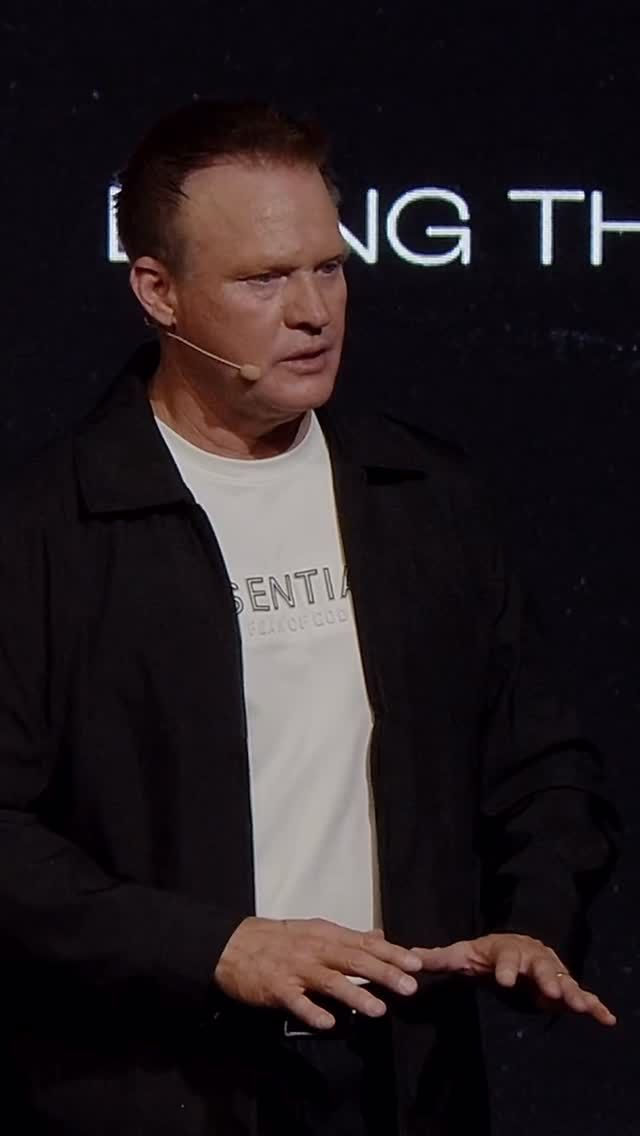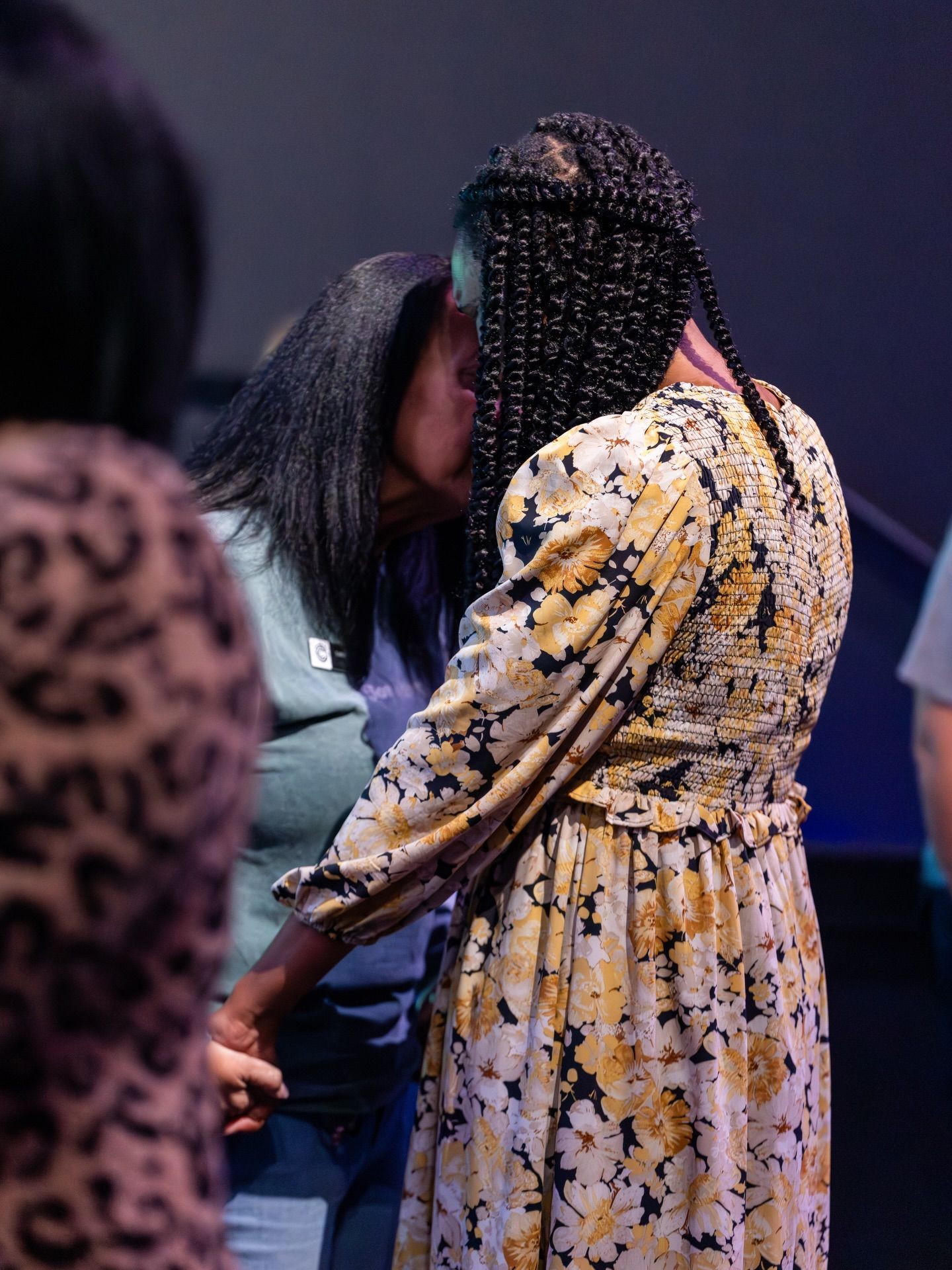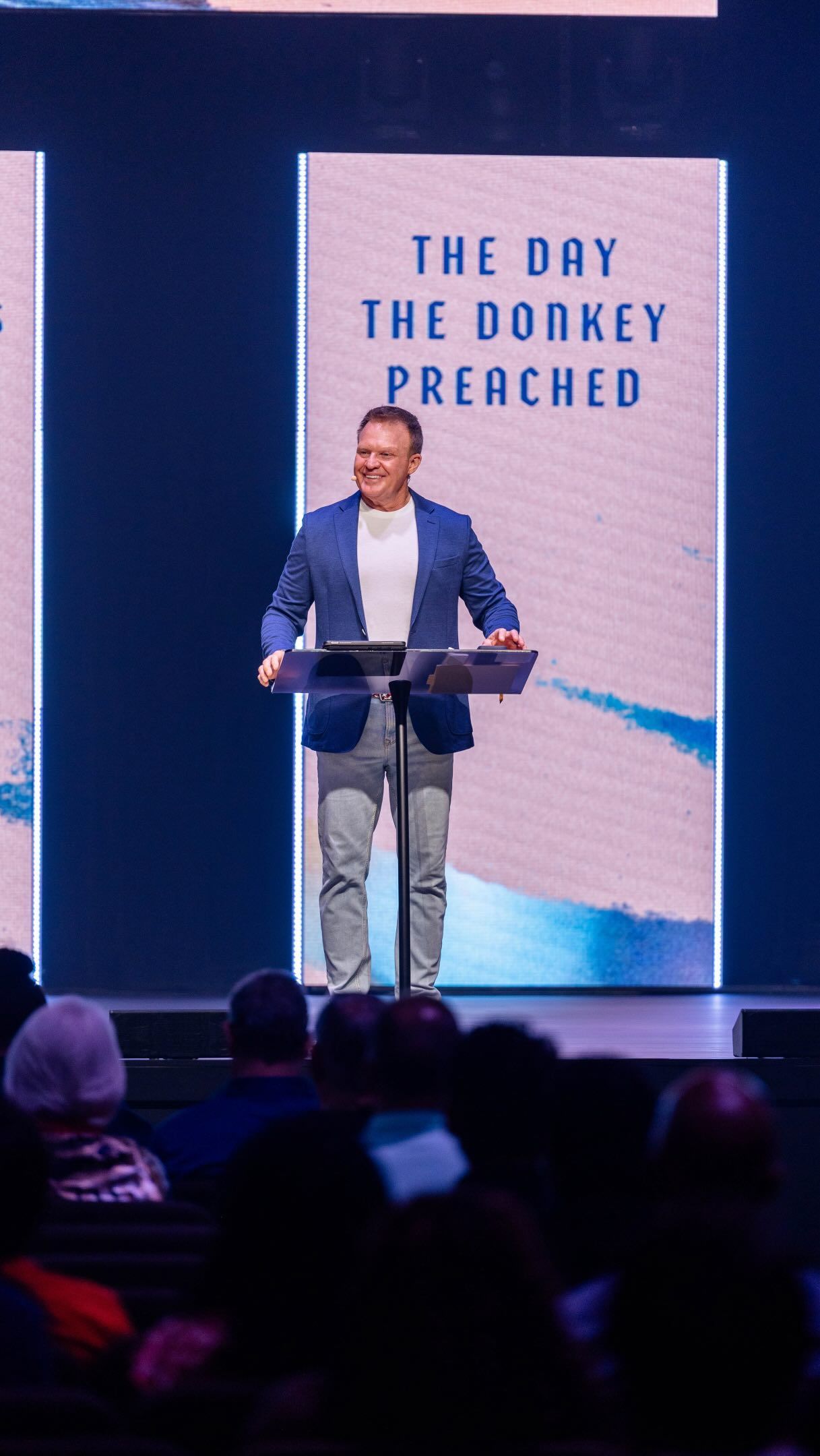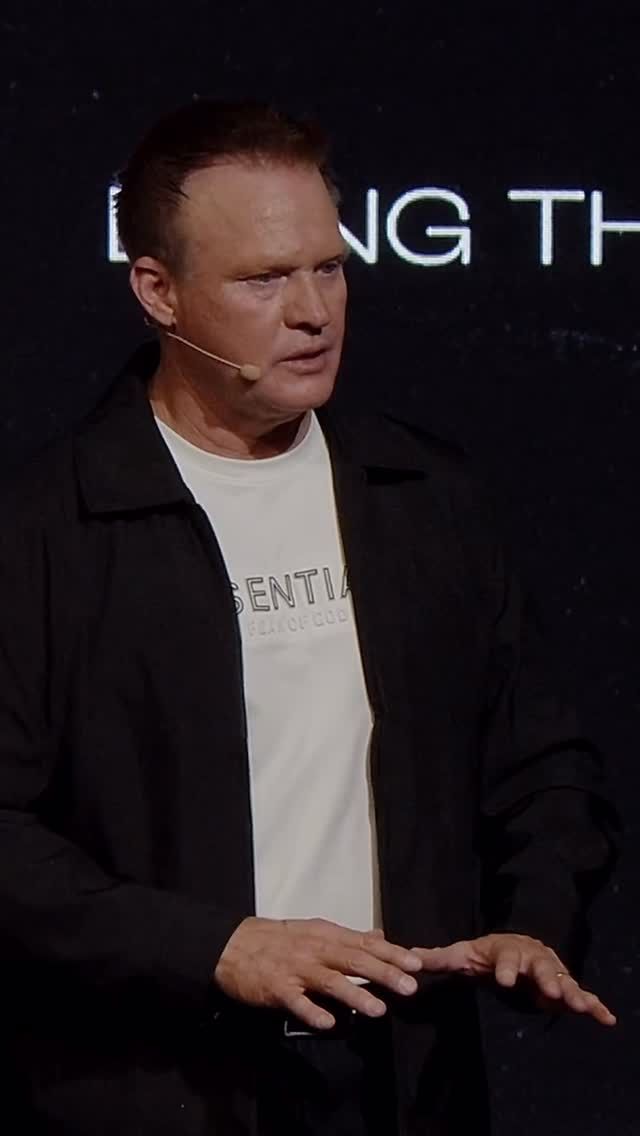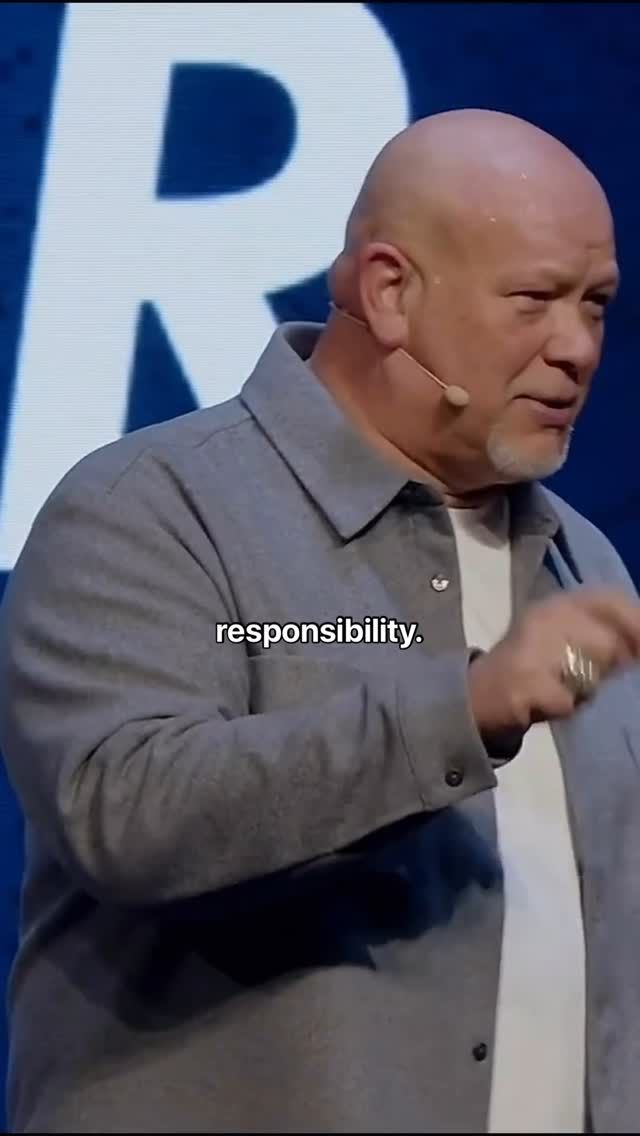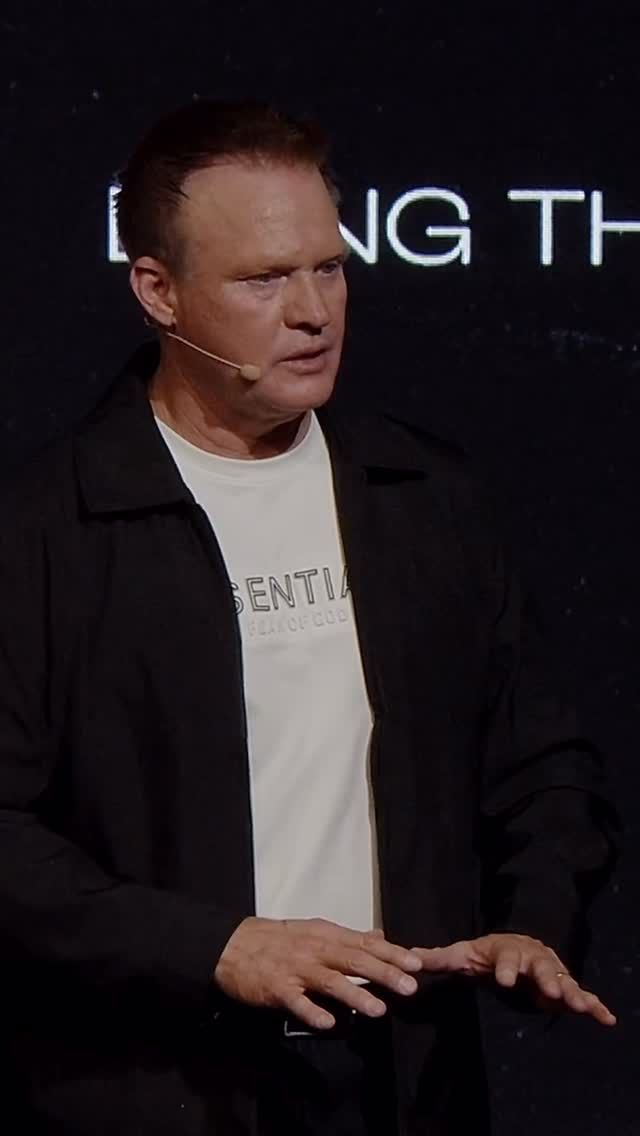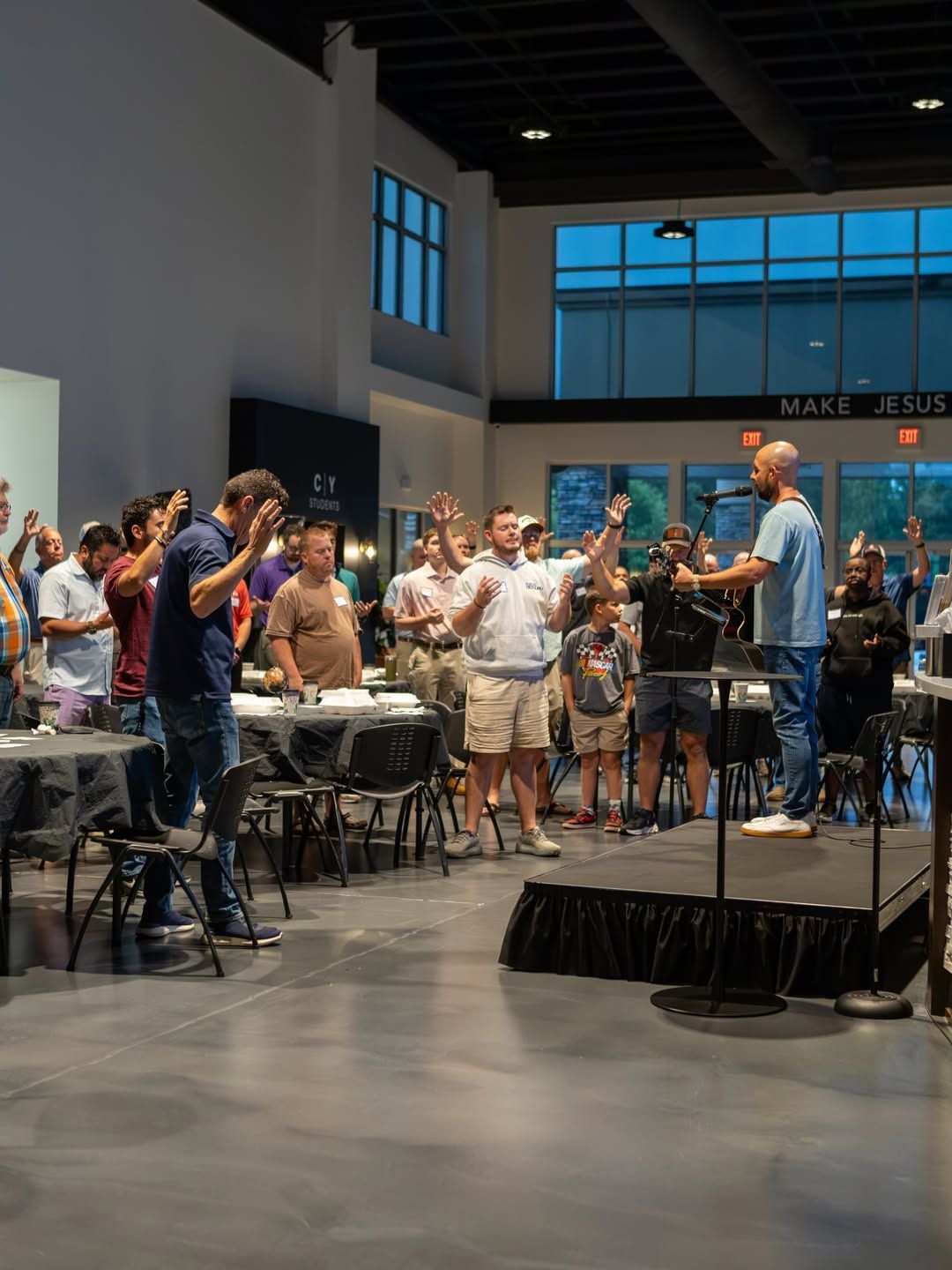

Pastor Scott’s reminder, “You’re still here for a reason,” confronts a question many believers quietly carry: If God has saved me, why am I still on earth? As spring brings a sense of renewal, it’s a fitting moment to re-center on the great commission —not as pressure, but as purpose. This guide is for anyone who wants theological clarity (not hype) about why Jesus sends His people, and how everyday sharing faith fits into God’s plan. If you want a companion piece that focuses on identity and purpose, start with Understanding Your Purpose: You’re Still Here for a Reason. We will also briefly touch on the phrase embracing living water as a way to describe receiving and carrying the life of Christ into ordinary relationships.
The Essentials to Remember About Your Mission
- The great commission is Jesus’ ongoing assignment for the Church (Matthew 28:19), not a suggestion for a few confident personalities.
- You were saved and sent —your everyday spaces can become mission territory, as Pastor Scott put it: “Your workplace is your mission field.”
- Witness is empowered, not manufactured : the Holy Spirit provides power to testify (Acts 1:8), even when you feel nervous.
- Your story matters in God’s strategy : personal testimony is often the bridge that makes the gospel feel reachable.
- Heaven measures differently : “Heaven doesn’t see an empty chair; it sees purpose,” which reframes why one invitation matters.
- Quiet isn’t neutral : “A quiet church is a dangerous church,” because silence can keep people from hearing hope.
How the Great Commission Shapes a Believer’s Identity
Pastor Scott challenged a common assumption: God did not save you only from something (sin, shame, death) but also for something—participation in His mission. That is exactly the theological weight of Matthew 28:19: “Go therefore and make disciples of all nations.” The command is active. Jesus does not describe discipleship as a private possession, but as a multiplying life.
This is why Pastor Scott’s line lands with such force: “The Great Commission is not the great recommendation.” In other words, the mission is not optional add-on spirituality. It is part of what it means to belong to Jesus. If you are His, you are sent by Him.
Matthew 28:19: Commissioned people, not just convinced people
In Matthew 28:19, Jesus commissions His followers to go, make disciples, and teach. Theologically, this means Christianity is not merely a set of beliefs to agree with; it is a new allegiance that reorders your life around Jesus’ authority. A disciple doesn’t only learn information. A disciple learns a way of life and then reproduces it in others.
That is why the sermon’s “mission field” language is so practical. Jesus’ command is not limited to a church building or a formal role. It applies to real places: conversations at work, relationships on your street, and friendships at school. The mission is carried by ordinary believers in ordinary rhythms—through consistent, humble sharing faith .
2 Corinthians 5:20: Ambassadors carry the message and the King’s heart
Paul writes, “We are therefore Christ’s ambassadors, as though God were making his appeal through us” (2 Corinthians 5:20). An ambassador does not represent themselves; they represent another kingdom. This helps explain why evangelism is more than a personal preference or a personality trait. It is identity.
Ambassadors do not invent the message; they deliver it faithfully. They also embody the tone of the King they represent. That matters for sharing faith because the way we speak should match the character of Jesus—truthful, compassionate, and clear. The goal is not to win arguments; it is to faithfully carry God’s appeal.

Why “You’re Still Here for a Reason” Is Deeply Theological
Pastor Scott’s statement, “You’re still here for a reason,” is not motivational fluff. It is rooted in a biblical understanding of God’s purpose for His people between salvation and eternity. If God’s only goal were to get you to heaven, your story would end the moment you believed. But Scripture presents the Christian life as a sent life: reconciled to God and then entrusted with the ministry of reconciliation (2 Corinthians 5:20).
This reframes the question from “What’s my purpose?” to “How does God want to use my life for His mission?” The great commission gives a universal purpose to every believer, even while God also gives unique callings, gifts, and assignments.
Acts 1:8: Power for witness, not performance
Jesus says, “You will receive power when the Holy Spirit comes upon you; and you will be my witnesses” (Acts 1:8). Notice what comes first: power. Then witness. This is crucial because many believers avoid sharing faith out of fear—fear of rejection, awkwardness, or not knowing what to say. Acts 1:8 teaches that witness is not fueled by your bold personality but by the Spirit’s enabling.
That aligns with Pastor Scott’s encouragement to pray for opportunities and overcome fear. Prayer is not a pre-game ritual; it is dependence. When the Spirit empowers witness, the goal is not to sound impressive. The goal is to be faithful.
John 1:1 and Andrew’s “one more” pattern
The sermon highlighted a simple but profound model: “Andrew brought just one person to Jesus.” The excerpt references John 1:1, but the “Andrew brought” moment is typically associated with the opening chapter of John. Regardless, the theological point Pastor Scott made is clear: God often changes lives through ordinary relationships and simple invitations.
This is the “One More” heartbeat: not trying to carry the whole world, but refusing to ignore the one person God places on your heart. In practice, the great commission often looks like one conversation, one prayer, one invitation, one act of courage.
The Eternal Stakes: Why One Invitation Matters
Pastor Scott said, “Heaven doesn’t see an empty chair; it sees purpose.” That line carries weight because Scripture presents human life as eternally significant. The gospel is not merely self-improvement; it is rescue, reconciliation, and new life in Christ. That is why a church that stays silent is not simply being “private”—it may be withholding hope.
Luke 15 and heaven’s joy over one
The sermon referenced Luke 15:1 in connection with rejoicing over one sinner who repents. The wider passage that contains the “one sheep” imagery is Luke 15:4–7, where Jesus describes leaving the ninety-nine to seek the one that is lost. The point is not that the ninety-nine are unloved; it is that God’s heart pursues the lost, and heaven celebrates repentance.
This is why sharing faith cannot be reduced to a church growth tactic. It is participation in God’s pursuing love. When you invite, you are not manipulating; you are making room for someone to encounter Jesus.
Daniel 12:1–3: A long view of faithfulness
Daniel 12:1–3 speaks of a time of distress, deliverance for those “written in the book,” resurrection, and the promise that “those who are wise… will shine” (Daniel 12:3). Pastor Scott used this to highlight eternal realities: history is going somewhere, and God sees faithfulness that the world overlooks.
Daniel’s vision doesn’t invite panic; it invites perspective. Theologically, it reminds believers that what we do now echoes into eternity. That does not mean you can guarantee outcomes in someone else’s life. But it does mean your obedience matters—even when it feels small.

Where the Mission Gets Stuck: The Hidden Impact of Fear and Silence
Pastor Scott named what many people feel: “What if they think I’m weird?” “What if it strains our friendship?” That is real. But he also offered a sober warning: “A quiet church is a dangerous church.” The danger is not that quiet people are bad; it is that silence can normalize disobedience and shrink our view of love.
Fear tends to do three things:
- It makes evangelism feel like a personality test instead of a Spirit-empowered calling (Acts 1:8).
- It reduces people to potential conflict instead of eternal value (Luke 15:4–7).
- It reframes the gospel as awkward news instead of good news worth offering.
The great commission confronts fear with a better story: God is already at work, and He invites you to participate. Your job is not to force results; your job is to be a witness and an ambassador (Acts 1:8; 2 Corinthians 5:20).
Common Missteps When Sharing Faith (Checklist)
- Waiting for a “perfect moment” — You can miss real opportunities by demanding ideal conditions.
- Making it about winning — An ambassador delivers the message; they don’t treat people like projects (2 Corinthians 5:20).
- Talking more than listening — Many meaningful conversations begin with honest questions and patient attention.
- Hiding your story — Pastor Scott emphasized that your personal story can matter; withholding it can remove a bridge for someone else.
- Confusing boldness with harshness — Spirit-empowered witness can be both courageous and kind (Acts 1:8).
- Assuming you must have every answer — Faithful witness is not the same as being an expert; it’s okay to say you’ll follow up.
A Simple Action Plan for Living the Great Commission Daily
- Pray for one name — Ask God to put “one more” person on your heart and to open a natural door for conversation.
- Write your story in three parts — “Before Jesus,” “How I met Jesus,” “What is changing now.” Keep it honest and brief.
- Practice one sentence of clarity — For example: “Following Jesus has changed how I see my life, and I’d love to share why if you’re open.”
- Choose invitation over pressure — Invite someone to a conversation, to prayer, or to attend with you; let them respond freely.
- Be consistent in small ways — Regular kindness, integrity, and presence often give credibility to sharing faith .
- Trust the Spirit’s role — Remember Acts 1:8; ask for help, then take the next obedient step.
From the Field: What Most People Miss About “One More”
In practice, we often see that the biggest barrier to sharing faith is not hostility from others but hesitation in ourselves—assuming we must be perfectly articulate or perfectly consistent before we speak. Pastor Scott’s “One More” reframes the mission into faithful, reachable steps. Many people are more open than we expect when we approach them with humility, clarity, and genuine care.
When You Should Ask for Help or Prayer Support
There are moments when you shouldn’t carry the mission alone. Consider reaching out for pastoral support or trusted believers to pray with you if:
- Fear feels paralyzing — You want to obey Jesus, but anxiety keeps shutting you down.
- A conversation becomes complex or sensitive — Someone shares trauma, deep grief, or spiritual confusion that needs careful support.
- You’re unsure how to explain the gospel — You want to be faithful to Scripture and need help finding simple, clear language.
- You feel discouraged after rejection — A “no” can sting; encouragement can help you stay steady and loving.
- You need wisdom for ongoing relationships — Especially with family or close friends where trust matters deeply.
Common Questions About Mission, Witness, and Purpose
Do I have to be outgoing to talk about Jesus?
No. Acts 1:8 connects witness to the Holy Spirit’s power, not to a specific personality type. Faithfulness can look like a quiet, sincere conversation and a consistent life.
What if I don’t know enough Bible to answer questions?
You can start with what you do know: your story and what Jesus has done in your life. It is also appropriate to say, “That’s a great question—can I think about it and get back to you?”
Is inviting someone to church the same as evangelism?
An invitation can be a meaningful step, but witness is broader: it includes conversations, prayer, and living as Christ’s ambassador (2 Corinthians 5:20). Invitations can support those moments rather than replace them.
How do I handle fear of damaging a friendship?
Start with respect and listening. You can ask permission: “Would you be open to hearing something important to me?” Loving relationships and honest witness do not have to be enemies.
What does it mean that heaven rejoices over one person?
Luke 15:4–7 portrays God’s pursuing heart and heaven’s joy when someone turns back to Him. It highlights the value of each person and encourages believers not to dismiss “one more” as insignificant.
Moving Forward With Courage and Clarity
The message is simple and weighty: you are still here for a reason. The great commission is not a burden meant to crush you; it is a calling that gives your everyday life eternal meaning. When you practice sharing faith with humility and courage, you live as an ambassador through whom God makes His appeal. Ask God for one person, take one step, and trust that obedience is never wasted.
Learn More About Our Services
Discover how we can help you achieve your goals.
Get Connected