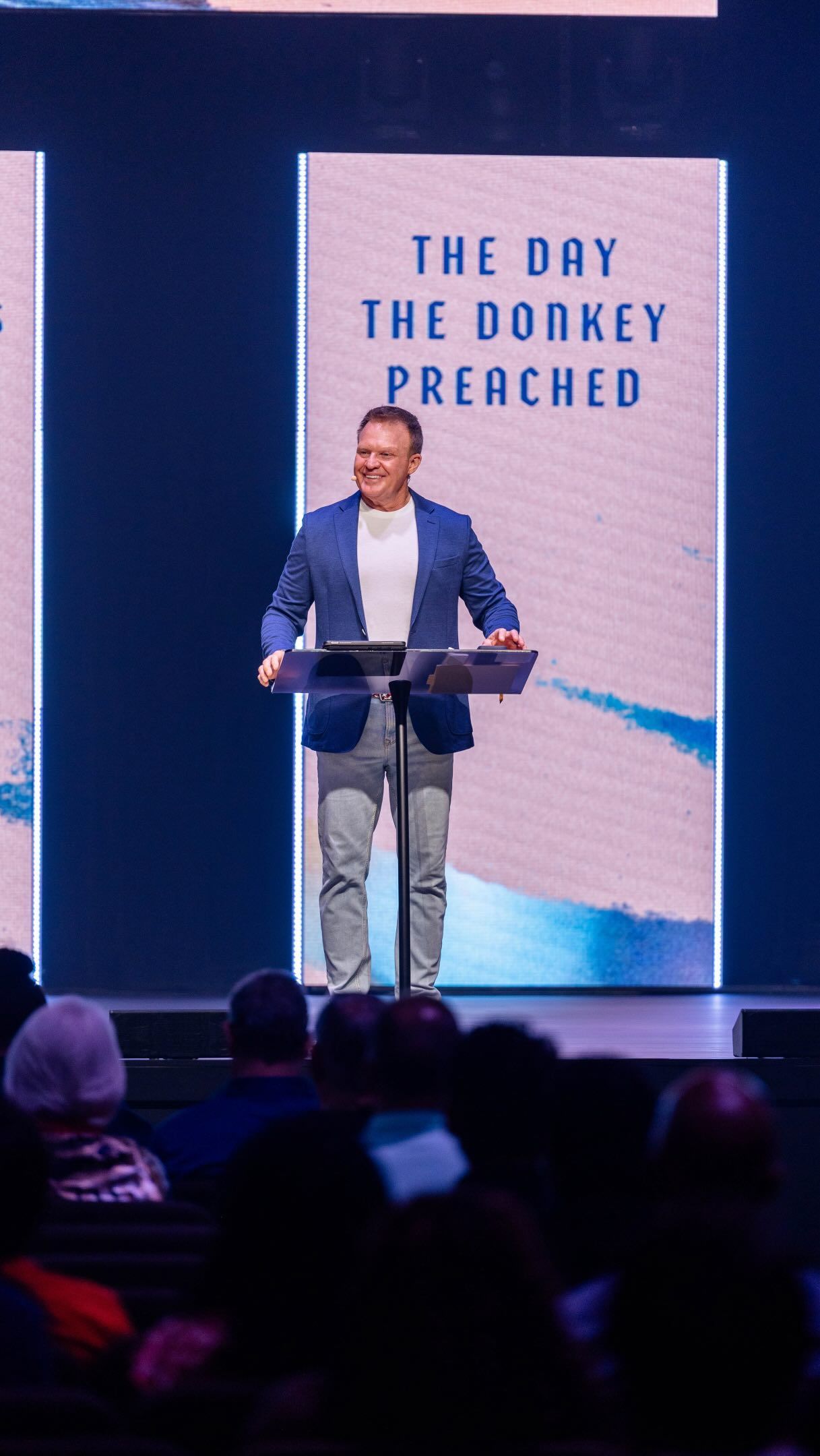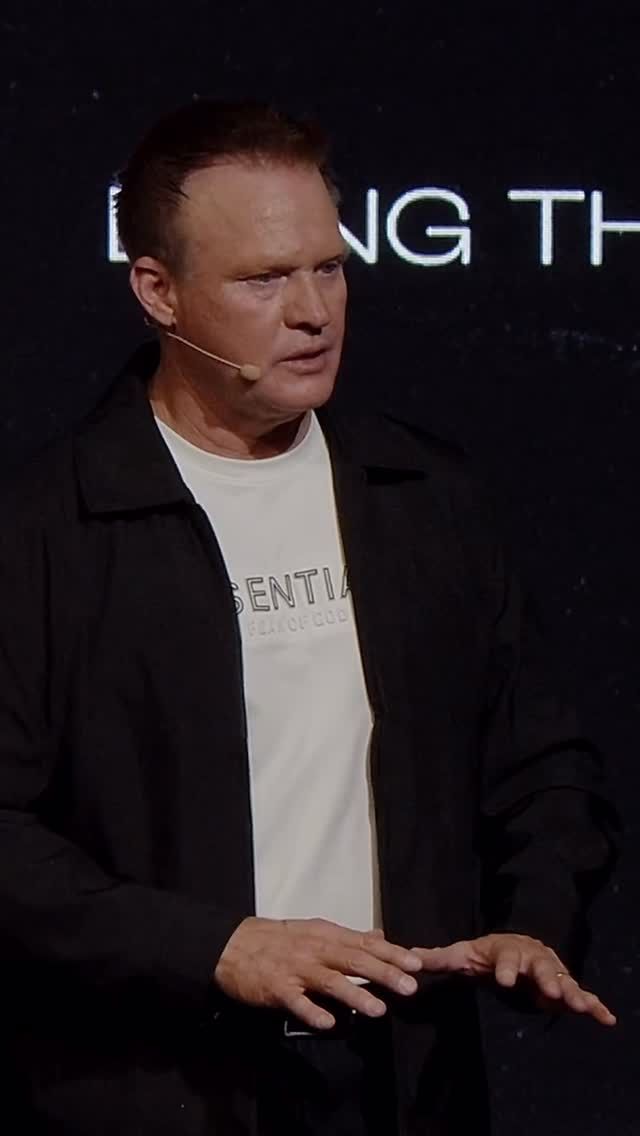

Purpose can feel confusing when your life looks ordinary: work, errands, school drop-offs, and another week that moves fast. If you have ever wondered whether you actually matter in God’s plan, Pastor Scott Sheppard’s line lands like a wake-up call: “You’re still here for a reason.” As spring brings a sense of renewal, it is a helpful moment to re-center on what the Bible calls the Great Commission (Matthew 28:19) and what that means for your daily life. This message is for beginners, long-time churchgoers, and anyone who feels stuck—because your unique purpose is not reserved for a stage or a title. It shows up in everyday places when you choose boldness, prayer, and simple sharing faith with “one more.”
If you want a deeper foundation for this theme, revisit Embracing the Great Commission: One More! Challenge and then come back to this highlight moment.
Bottom Line Upfront: Your Unique Purpose and “One More”
- Your unique purpose is connected to being sent , not just being saved (Matthew 28:19).
- The highlight of the message is simple: “You’re still here for a reason.” That reason includes sharing faith with people around you.
- You do not need a perfect script ; your story and an invitation can be enough.
- Fear is normal —but it does not have to be the boss of your obedience (Acts 1:8).
- Heaven celebrates “one more” ; your small step can matter more than you realize (Luke 15:1).
The Highlight Moment: “A Quiet Church Is a Dangerous Church”
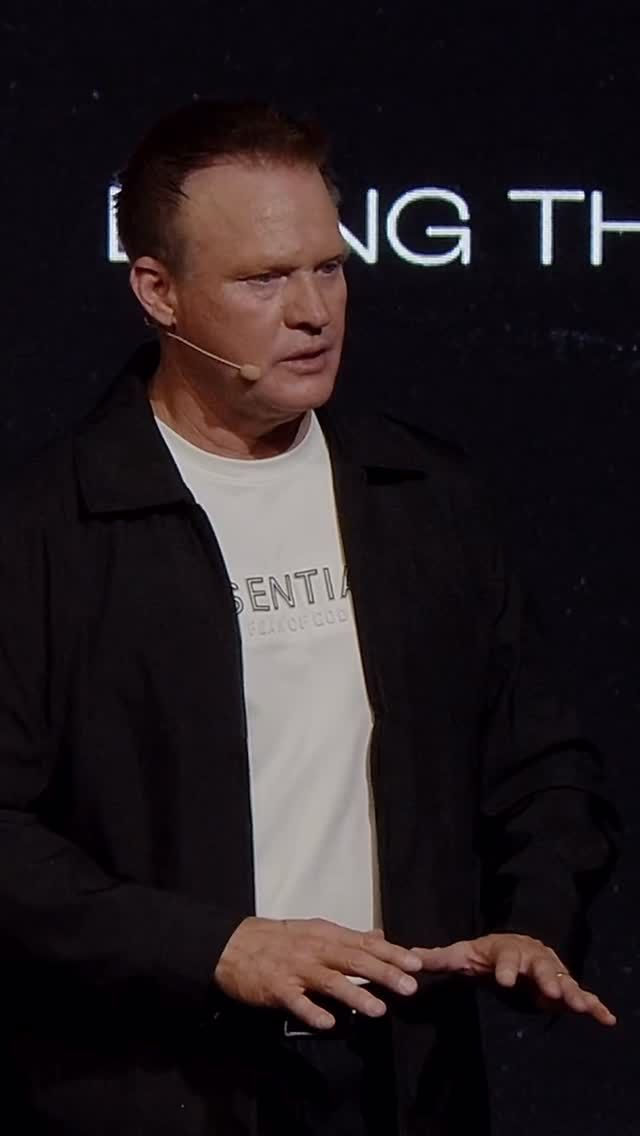
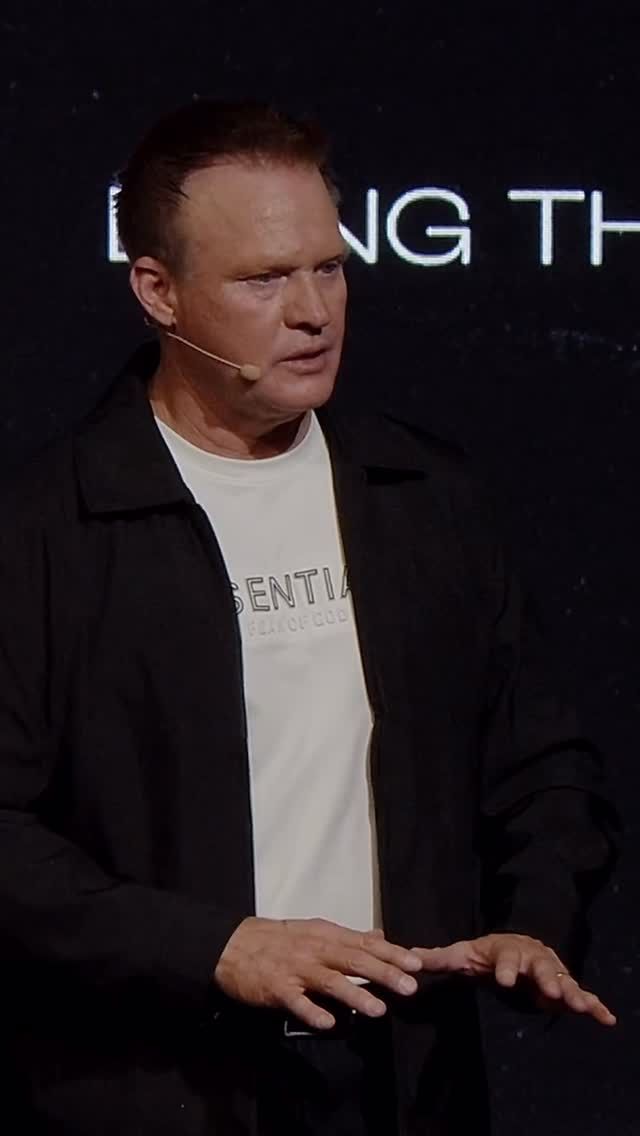
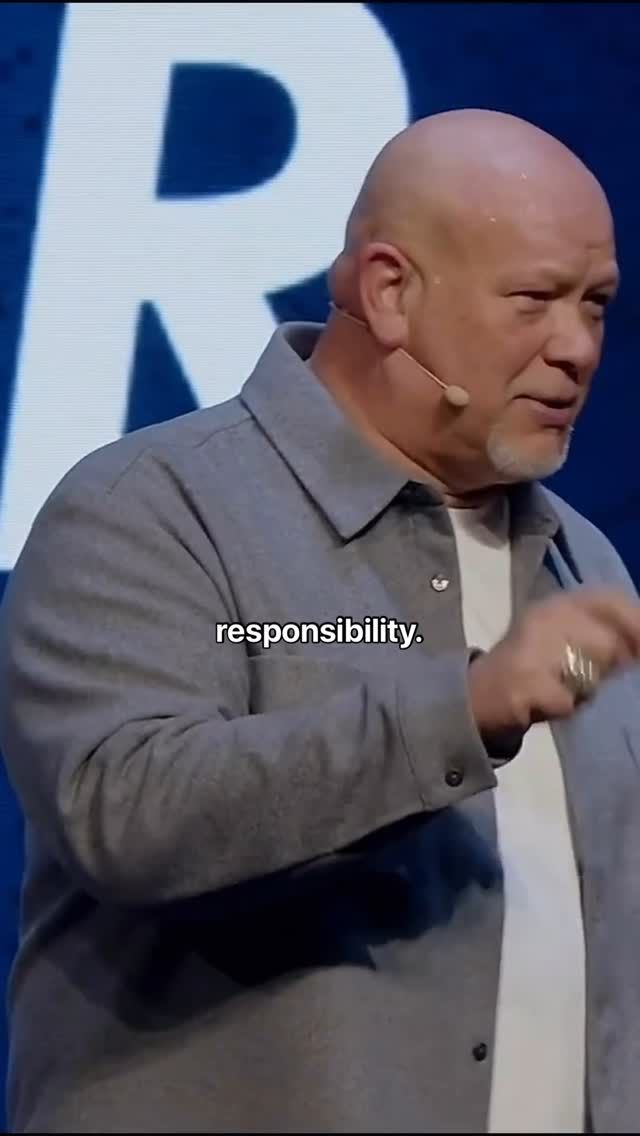
There was a moment in Pastor Scott’s message that cut through the usual reasons we stay silent. He said, “ A quiet church is a dangerous church. ” Not because volume is the goal—but because silence often hides fear, comfort, or the assumption that someone else will do the reaching out.
He pushed it further: the Great Commission is not the “great suggestion.” Jesus said, “Go therefore… and make disciples” (Matthew 28:19). That means your workplace, neighborhood, gym, coffee shop, ball field, and school are not interruptions to your faith—they are places where your unique purpose can actually operate.

Why This Is Not Just “Evangelism Talk”
For beginners, “evangelism” can sound like a job for professionals. In plain language, evangelism means sharing faith —telling someone what Jesus has done in your life and inviting them to take a step toward Him.
Pastor Scott reframed it in a way that makes it personal: “Heaven doesn’t see an empty chair; it sees purpose.” In other words, the people you see as “just coworkers” or “just neighbors” are not background characters to God. And your unique purpose includes being an ambassador—someone who represents Jesus with humility and clarity (2 Corinthians 5:20).
The Real-World Stakes of Staying Silent
This message is not about pressure or performance. It is about realizing that your daily choices shape the spiritual atmosphere around you. When we avoid sharing faith because it feels awkward, we often settle into a version of Christianity that is private, safe, and quiet.
Pastor Scott named the tension honestly: “What if they think I’m weird?” “What if it strains the relationship?” Those fears cost something. They can cost you boldness. They can cost someone else an invitation they needed. And they can blur your sense of unique purpose until faith feels like a routine instead of a mission (Acts 1:8).
Common Missteps When You Try to Share Your Faith
- Waiting to feel fearless — Boldness often follows obedience; it rarely precedes it (Acts 1:8).
- Thinking you need the “perfect words” — Your testimony is not a debate; it is your story.
- Making it about winning — The goal is love and clarity, not pressure or arguments.
- Only inviting “church people” — Pastor Scott’s point was “go,” meaning outside your usual circle (Matthew 28:19).
- Confusing silence with kindness — Kindness can include a courageous invitation.

Your Simple Action Plan for “One More” This Week
- Pray for an opportunity to have a natural conversation about Jesus (Acts 1:8).
- Write down one name —your “one more”—and commit to consistent prayer.
- Practice a 20-second story : “Here’s what my life was like, here’s how Jesus met me, here’s what changed.”
- Ask, don’t assume : “Would you be open to coming with me?” is often enough.
- Follow up with care —a text, a coffee, a listening ear—because sharing faith is relational.
Insider Perspective: What Most People Miss About Purpose
In practice, we often see that people struggle to name their unique purpose because they are looking for something dramatic, when Jesus usually starts with something doable: a conversation, an invitation, a prayer, a step of obedience. Pastor Scott’s emphasis on “one more” keeps it grounded—your calling is not abstract; it is often one person at a time.
When You Should Ask Someone to Walk With You
Consider reaching out for pastoral support or trusted Christian community if:
- You feel paralyzed by fear anytime faith comes up in conversation.
- You carry guilt or shame that makes you feel disqualified from sharing faith .
- You are unsure what you believe and want help understanding the basics before inviting others.
- You are facing conflict with family or friends because of your faith and need wisdom.
Common Questions Answered
What does it mean that I’m “still here for a reason”?
Pastor Scott’s point is that God did not leave you on earth by accident. Part of your reason includes being sent to represent Jesus where you already live and work (Matthew 28:19; 2 Corinthians 5:20).
Do I need to know the Bible well before I talk to someone about Jesus?
You can start with what you do know: your story, what you are learning, and a simple invitation. Growth in Scripture is important, but you do not have to wait until you feel “expert” to take a small step.
What if people think I’m weird when I bring up faith?
That fear is common, and Pastor Scott named it directly. Asking God for boldness and relying on the Holy Spirit can help you speak with humility and courage (Acts 1:8).
Is inviting someone to church the same as making disciples?
An invitation can be a starting point, not the finish line. Making disciples includes helping someone take next steps toward Jesus over time (Matthew 28:19).
How do I know my personal calling is real and not just pressure?
A healthy sense of calling is usually marked by love, obedience, and a willingness to serve—not panic or performance. The Great Commission gives every believer a clear direction while God shapes your specific role over time.
Moving Forward
Pastor Scott’s highlight was not complicated, but it was clarifying: “You’re still here for a reason.” Your unique purpose is tied to the Great Commission, and it often looks like sharing faith in everyday places with one person at a time. You do not have to be loud to be faithful—but you do have to be willing. Start with prayer, take one small step, and trust God to use your obedience.
Learn More About Our Services
Discover how we can help you achieve your goals.
Get Connected