
Believing you are more than conquerors can feel easy when life is calm—and almost impossible when you’re exhausted, discouraged, or simply trying to make it through the day. If you’re carrying a quiet fear that you might “lose” after coming this far, this guide is for you. In Athens, Georgia, many people are looking for a faith that holds up under real pressure, not just in ideal moments. As spring brings reminders of renewal, Pastor Scott Sheppard’s message invites a practical question: what does Romans 8:37 look like on a Monday morning? This matters because the battle isn’t only about big breakthroughs; it’s also about staying rooted, showing up, and learning how to praise God in the middle of it. (And for those tracking requirements: embracing living water.)
To learn more about our church community, visit serving Athens, Georgia.
The Essentials from Romans 8:37
- “More than conquerors” (Romans 8:37) is an identity before it’s a feeling. You may not feel strong, but your standing is anchored “through Him who loved us.”
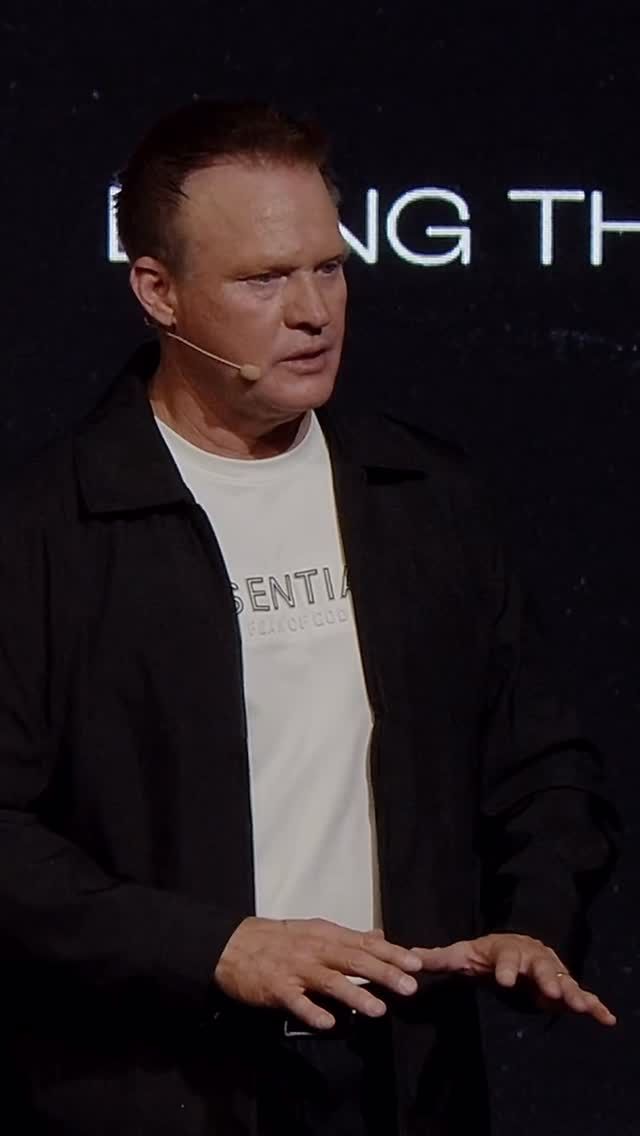
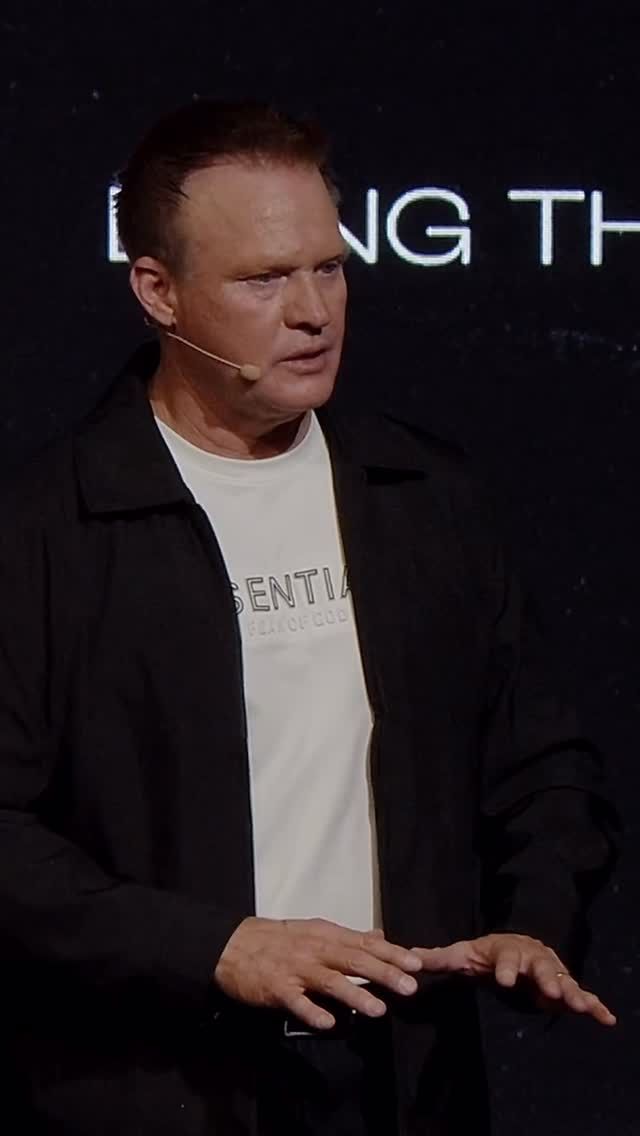
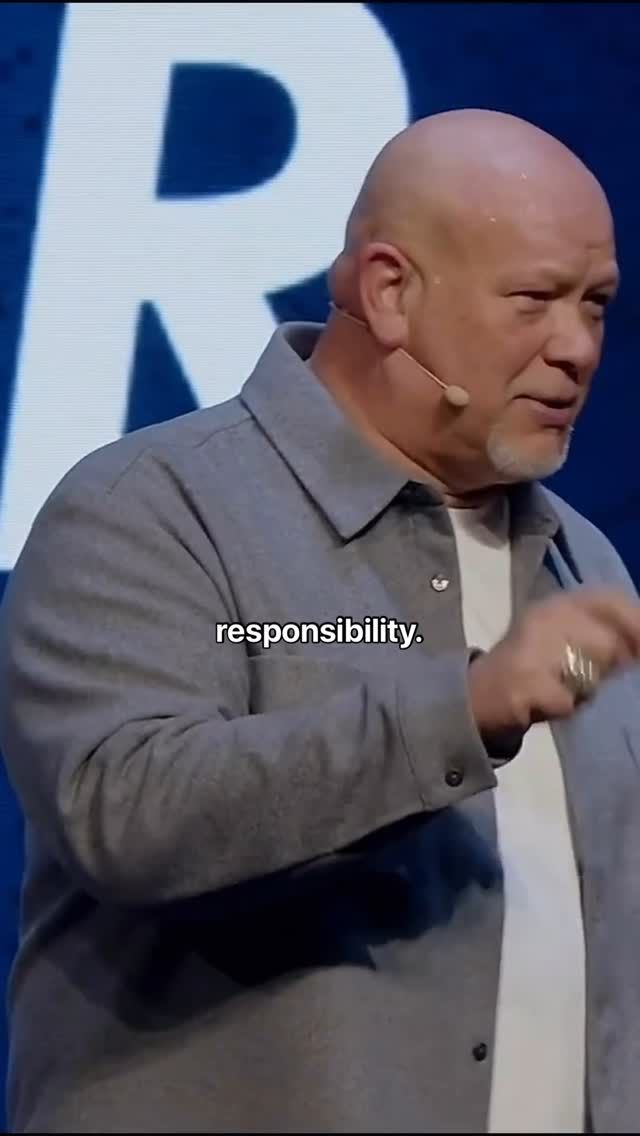
- Showing up still matters. As Pastor Scott said, “Sometimes victory doesn’t look like a shout… sometimes victory looks like, ‘Look at me, I’m still breathing.’”
- Your battles don’t define you—Christ does. The sermon emphasized: “You don’t win because you’re good. You win because He’s good.”
- Setbacks can become setups. Not every detour is defeat; God can work purpose even when you feel delayed (Genesis 50:20).
- Praise is a practice, not a performance. Worship in the struggle strengthens endurance and re-centers your perspective (Revelation 12:11).
How “More Than Conquerors” Works in Real Life
Romans 8:37 says, “In all things we are more than conquerors through Him who loved us.” Pastor Scott slowed us down on the part we often skip: through Him. That phrase keeps this from becoming a motivational slogan. It’s not teaching that believers never struggle; it’s teaching that struggle doesn’t get the final word.
That’s why the sermon made space for the kind of victories you can’t always celebrate loudly. “Showing up still matters,” Pastor Scott said—because sometimes the win is that you didn’t quit. You didn’t isolate. You didn’t stop praying. You didn’t stop worshiping.
Paul’s framing in 2 Corinthians 4:8–9 matches this lived reality: “hard pressed… but not crushed; perplexed… but not in despair; persecuted… but not forsaken; struck down… but not destroyed.” The pressure is real. The promise is also real. Being more than conquerors doesn’t mean you never get hit; it means you’re not ultimately undone.
The Hidden Impact of Believing You’ve “Come Too Far to Lose”
When you start to believe you’re more than conquerors , it changes how you interpret your hardest moments. Instead of reading suffering as “God must be done with me,” you begin to see it as “God is still writing chapters in my story,” echoing Pastor Scott’s reminder: “As long as I’ve got breath, I’m still breathing. There’s still chapters He’s writing in my story.”
Practically, this impacts:
- Your resilience: You recover faster because you stop treating a stumble like a final verdict.
- Your relationships: You’re less likely to withdraw when you feel ashamed or tired, because you remember you’re not alone (2 Corinthians 4:9).
- Your decision-making: You make steadier choices under stress when your identity isn’t up for debate.
- Your worship: You learn to praise God in the fight, not just after it—aligning with Revelation 12:11’s picture of overcoming through testimony and the Lamb.
Jesus also prepares us for realism without despair: “In this world you will have trouble. But take heart! I have overcome the world” ( John 16:33 ). Trouble is expected; defeat is not inevitable.

Common Missteps That Undercut Your Faith (Checklist)
- □ Confusing fatigue with failure. Being tired doesn’t mean you’re losing; it may mean you’ve been carrying a lot.
- □ Waiting to worship until you “feel better.” The sermon emphasized worship as an act of persistence—“I know it seems like I shouldn’t, but I’m still worshiping.”
- □ Making victory only about visible breakthroughs. Pastor Scott reminded us that sometimes victory is simply still standing.
- □ Turning setbacks into identity statements. “You may have stumbled, but look at you. You didn’t stay down.” Don’t label a moment as your name.
- □ Fighting in your own strength first. Romans 8:37 points to victory “through Him who loved us,” not through willpower alone.
A Simple Action Plan for Living Romans 8:37 (Checklist)
- □ Say the verse out loud when you feel overwhelmed. Read Romans 8:37 slowly and emphasize “through Him who loved us.”
- □ Define “showing up” for your current season. It might be attending worship, praying for two minutes, or answering one hard email instead of shutting down.
- □ Replace “I’m losing” with a truer sentence. Try: “I’m hard pressed, but not crushed” (2 Corinthians 4:8).
- □ Practice praise in the middle. Choose one worship song or one short prayer of gratitude before you try to solve everything.
- □ Reframe the setback as a potential setup. Pray honestly: “God, show me what You can do with this,” remembering Genesis 50:20.
- □ Share one piece of testimony. Revelation 12:11 highlights the power of testimony; tell a trusted person where you’ve seen God help you endure.

A Word from Experience: The Moment Most People Miss
In practice, we often see that people don’t drift from faith because they face one massive crisis—they drift because they quietly stop “showing up” in small ways. The sermon’s emphasis is timely: consistent presence (even imperfect) keeps your heart positioned to receive strength, encouragement, and perspective when you need it most.
When to Seek Extra Support Instead of Fighting Alone
There are seasons when “showing up” includes asking for help. Consider reaching out to a pastor, trusted believer, or qualified professional support if:
- You feel stuck in despair and can’t find relief through normal rhythms of rest, prayer, and community.
- You’re withdrawing from people and isolating for long stretches.
- You’re overwhelmed by intrusive thoughts or persistent hopelessness.
- Your stress is affecting daily functioning (sleep, work, relationships) for an extended period.
- You feel unsafe or at risk of harming yourself or others—seek immediate help from local emergency resources.
Common Questions Answered
Does Romans 8:37 mean Christians won’t face hardship?
No. The verse says “in all things,” which assumes real challenges. John 16:33 and 2 Corinthians 4:8–9 both acknowledge trouble while pointing to God’s sustaining power.
What if I don’t feel like an overcomer right now?
Feelings can be honest without being final. Pastor Scott’s point was that sometimes victory looks like endurance—still breathing, still standing, still worshiping—rather than feeling strong.
How can praise help when my situation hasn’t changed?
Praise doesn’t deny reality; it re-centers your heart on who God is. It can strengthen hope and keep you aligned with truth while you walk through the process.
What does it mean to overcome “by testimony”?
Revelation 12:11 highlights the power of remembering and speaking what God has done. Testimony can reinforce faith, encourage others, and remind you that God has been faithful before.
How do I handle setbacks without assuming God is against me?
Genesis 50:20 shows that God can work purpose even through what others meant for harm. A setback isn’t proof of abandonment; 2 Corinthians 4:9 says we may be struck down but not destroyed.
Moving Forward
Pastor Scott’s message is a steady reminder that you haven’t come this far to lose hope. Romans 8:37 anchors victory in Christ’s love, not in perfect performance. If you’re hard pressed, you’re not alone—and you’re not finished. Keep showing up, keep worshiping, and keep letting God reframe the battle through His promises.
Learn More About Our Services
Discover how we can help you achieve your goals.
Get Connected